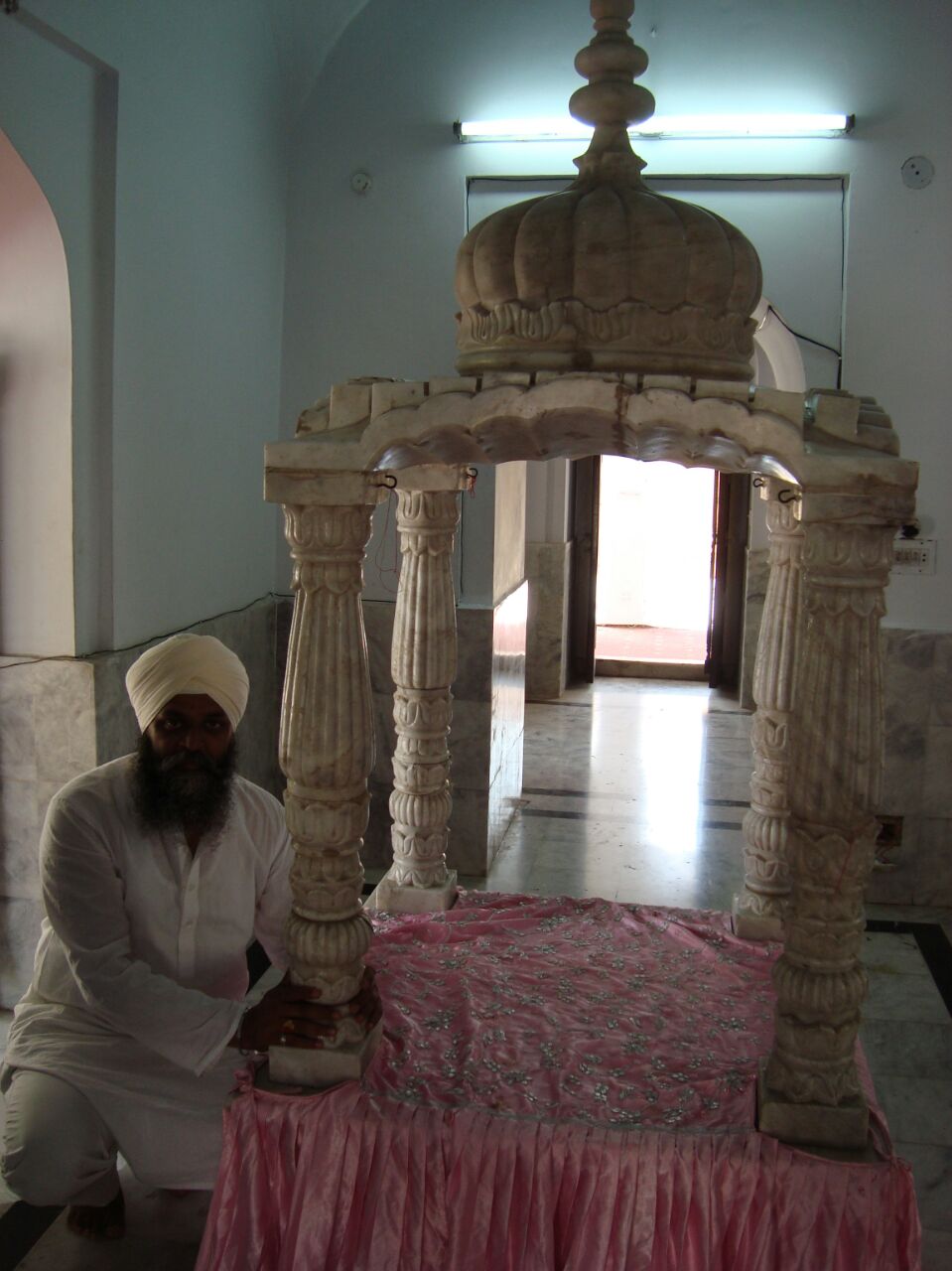
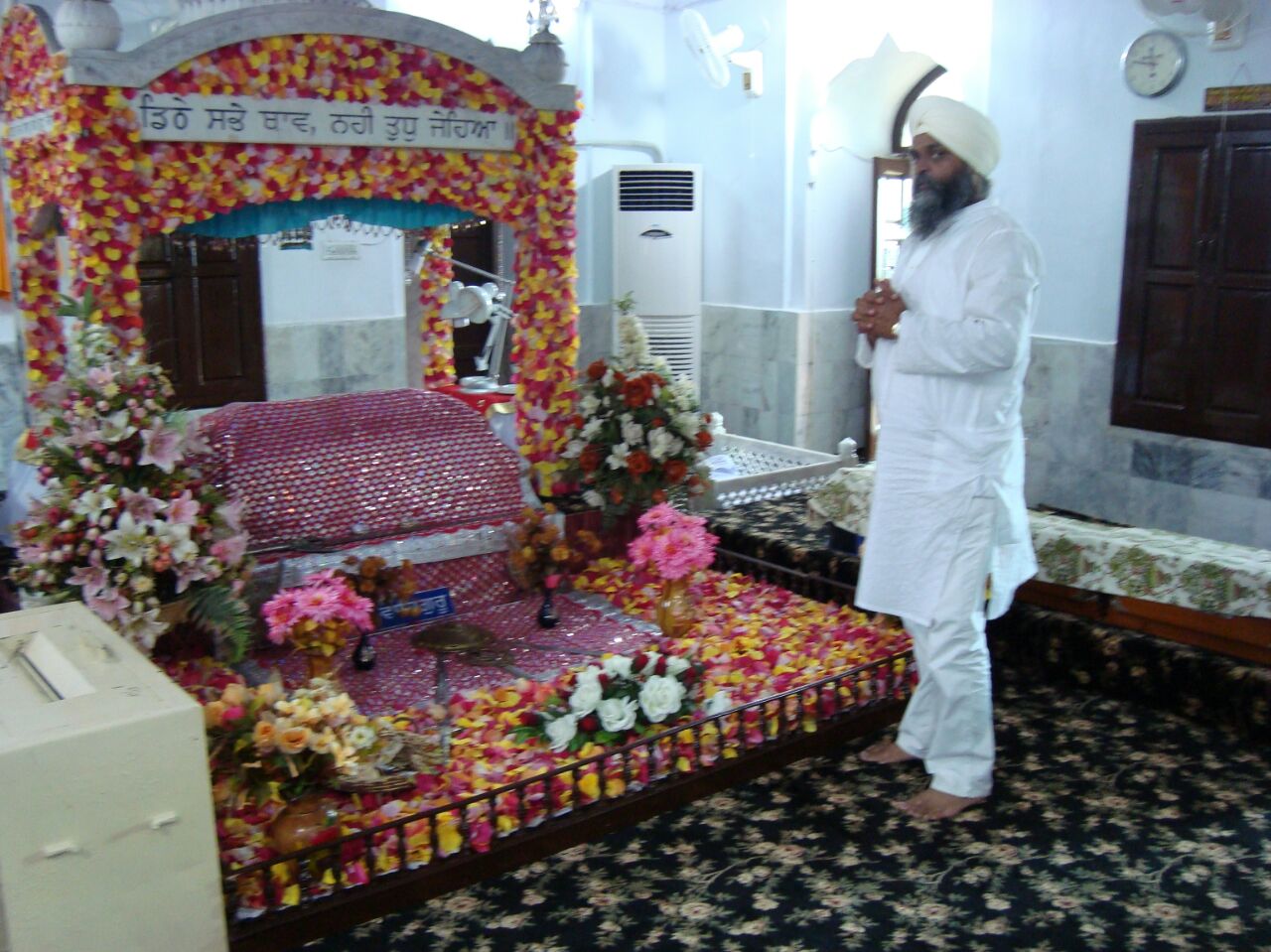
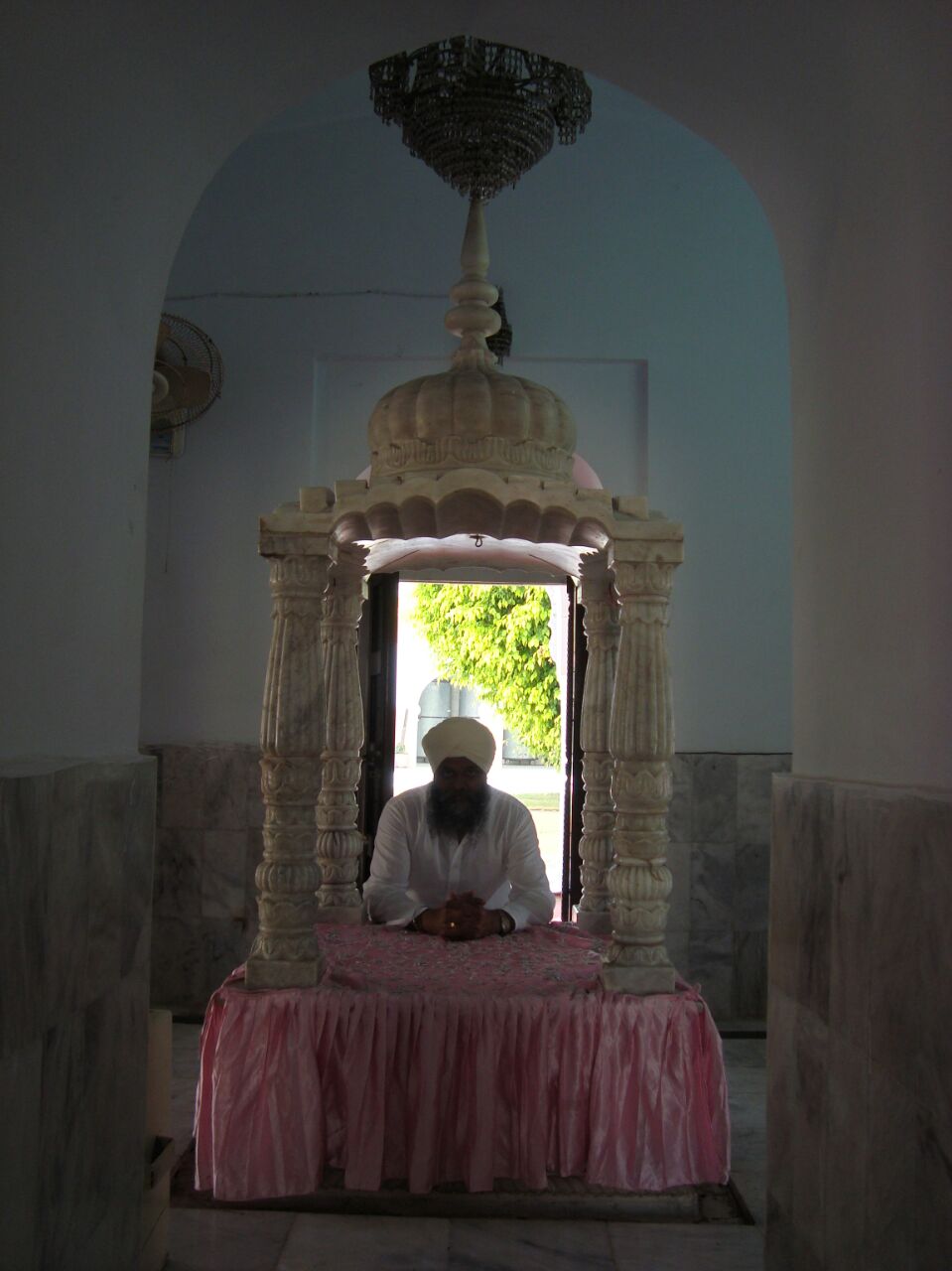
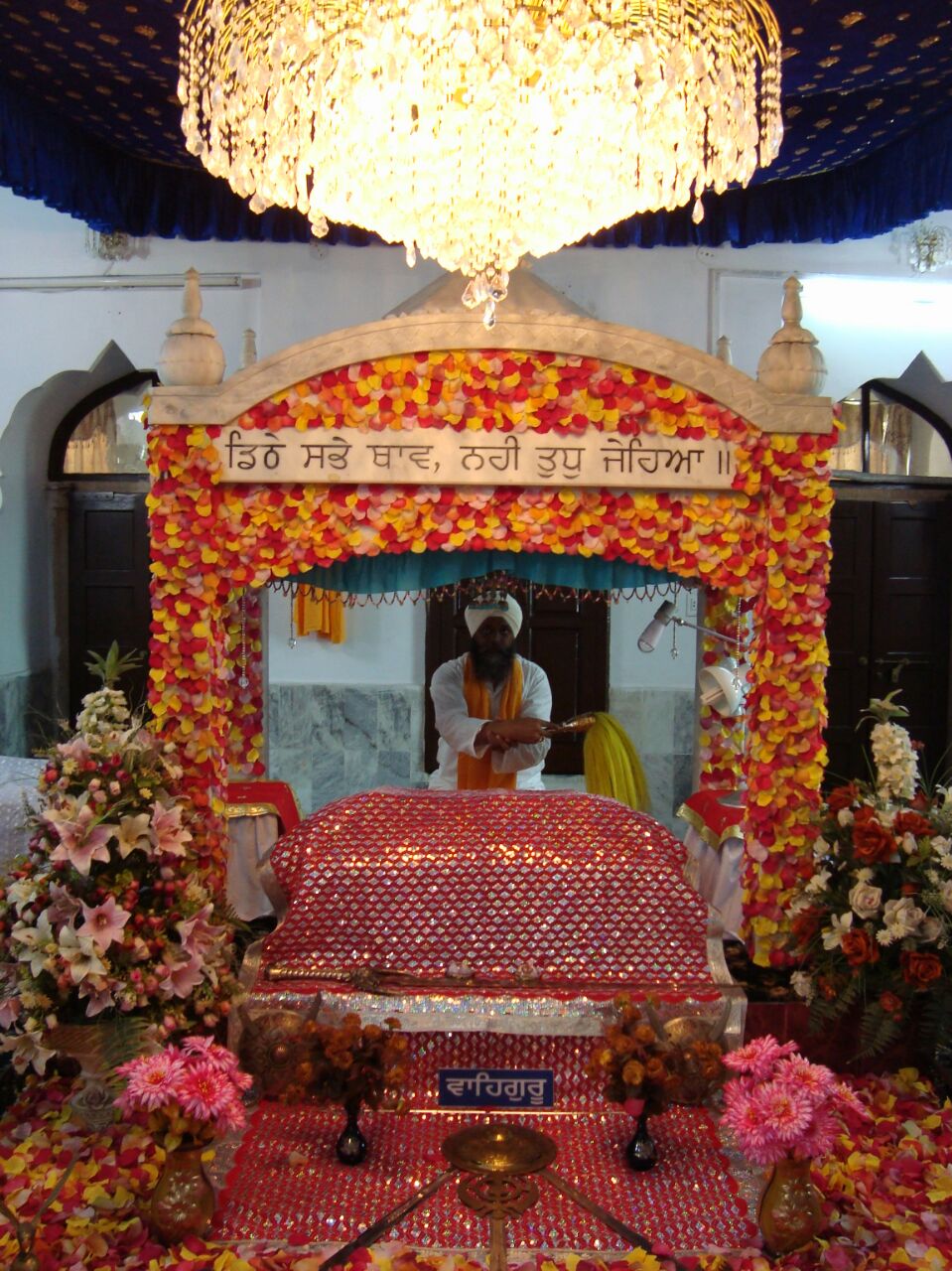
KARTARPUR SAHIB
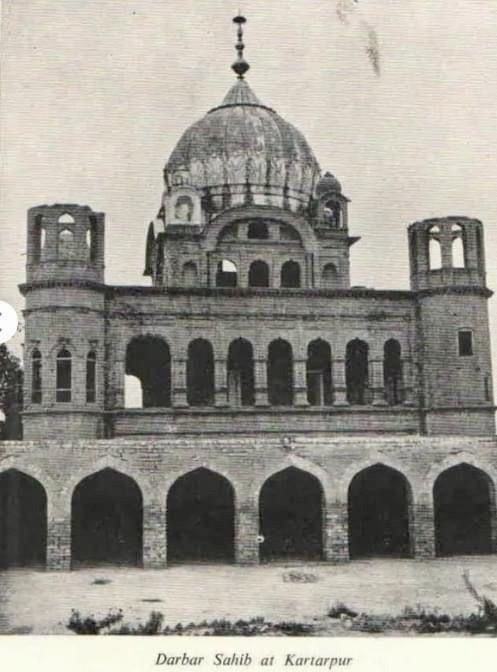
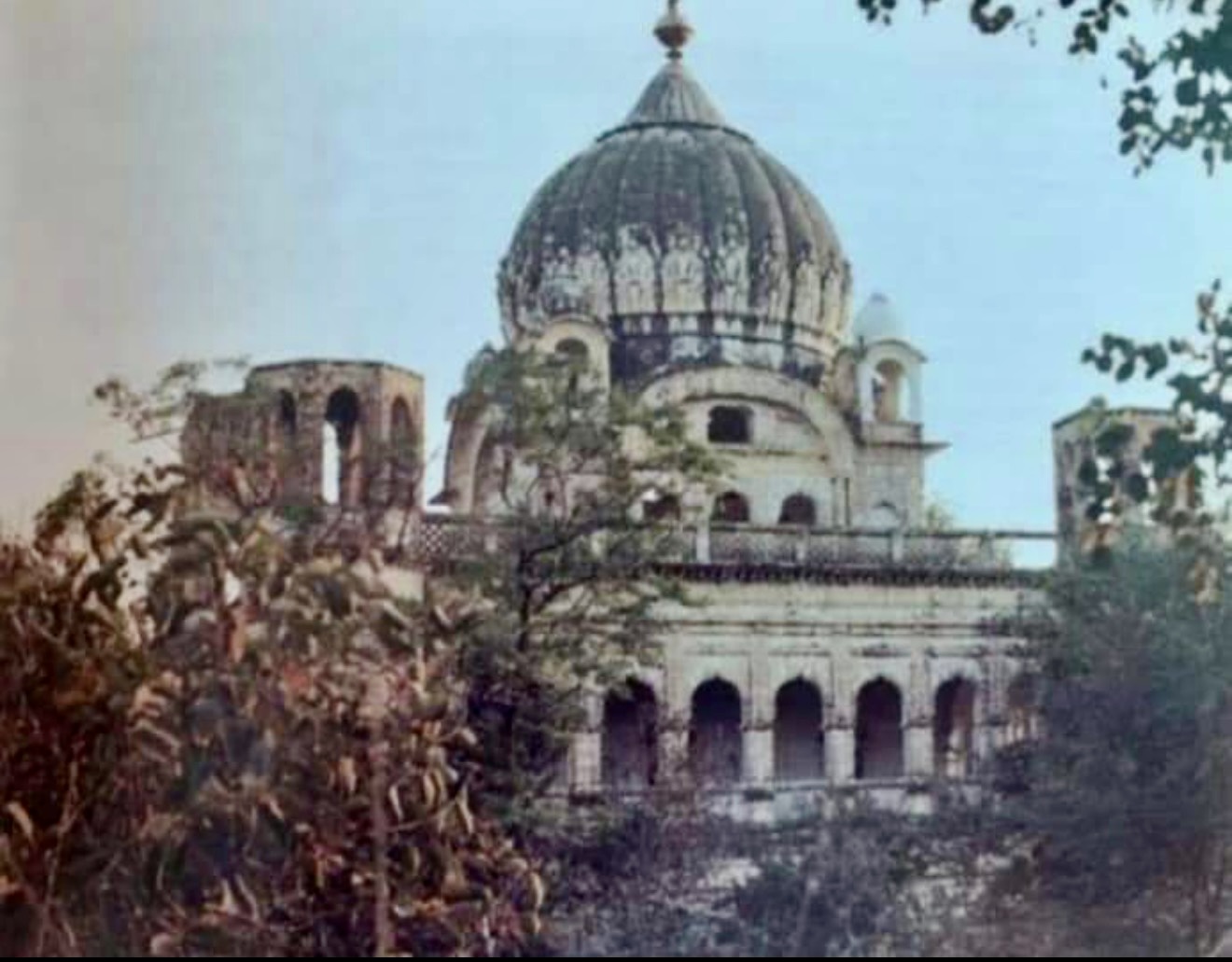
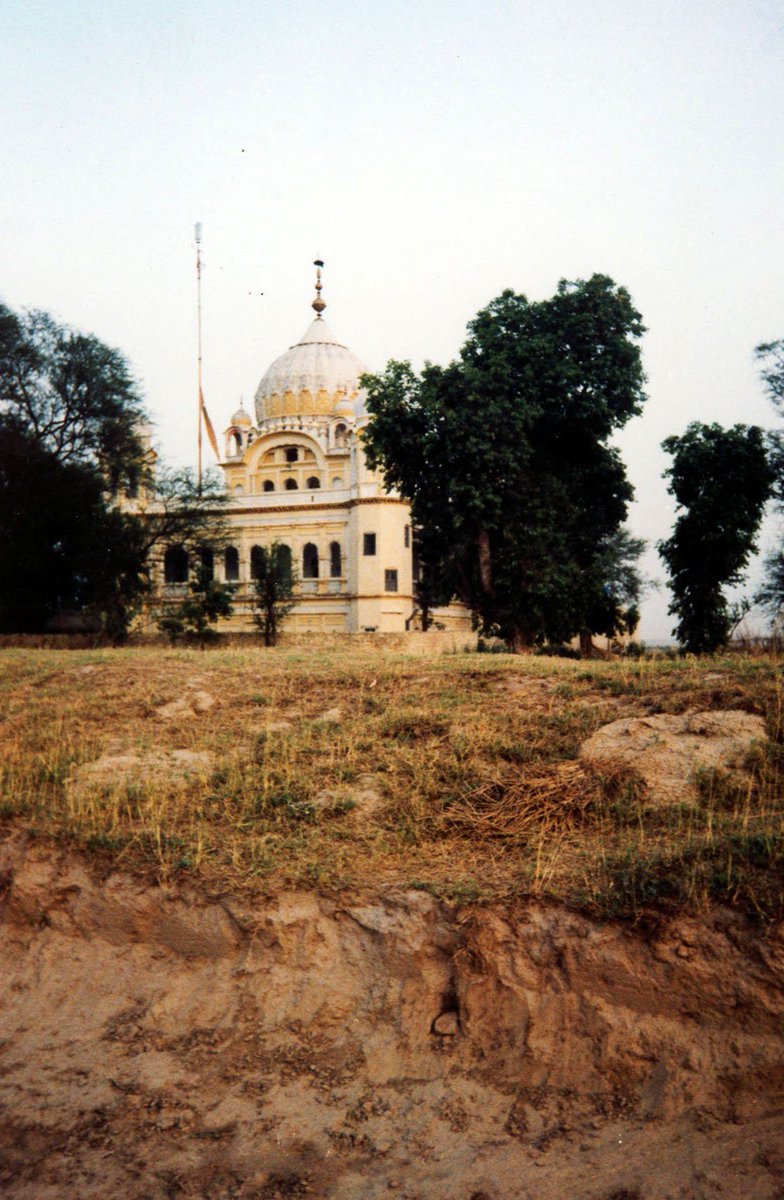
OLD KARTARPUR SAHIB
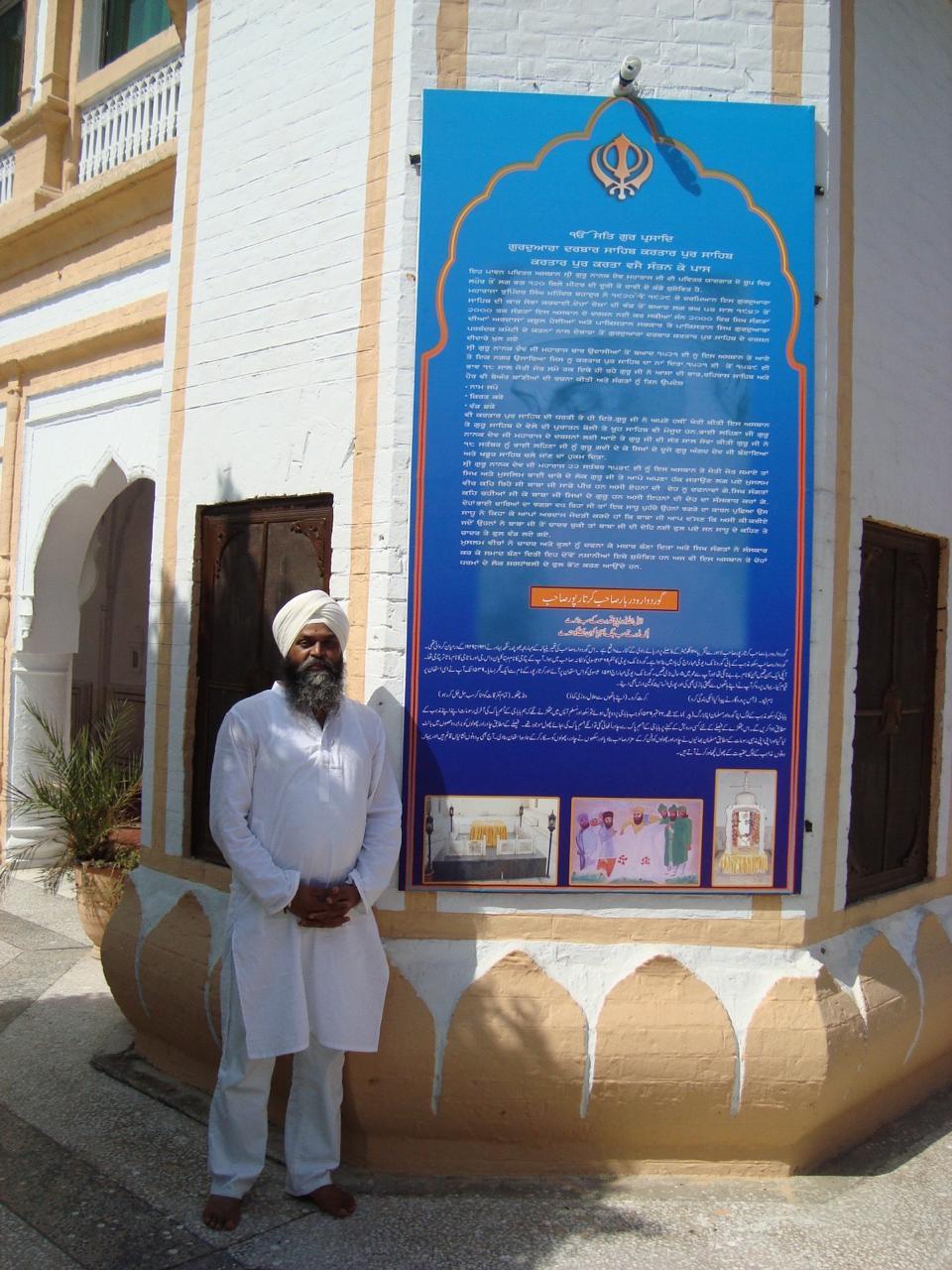
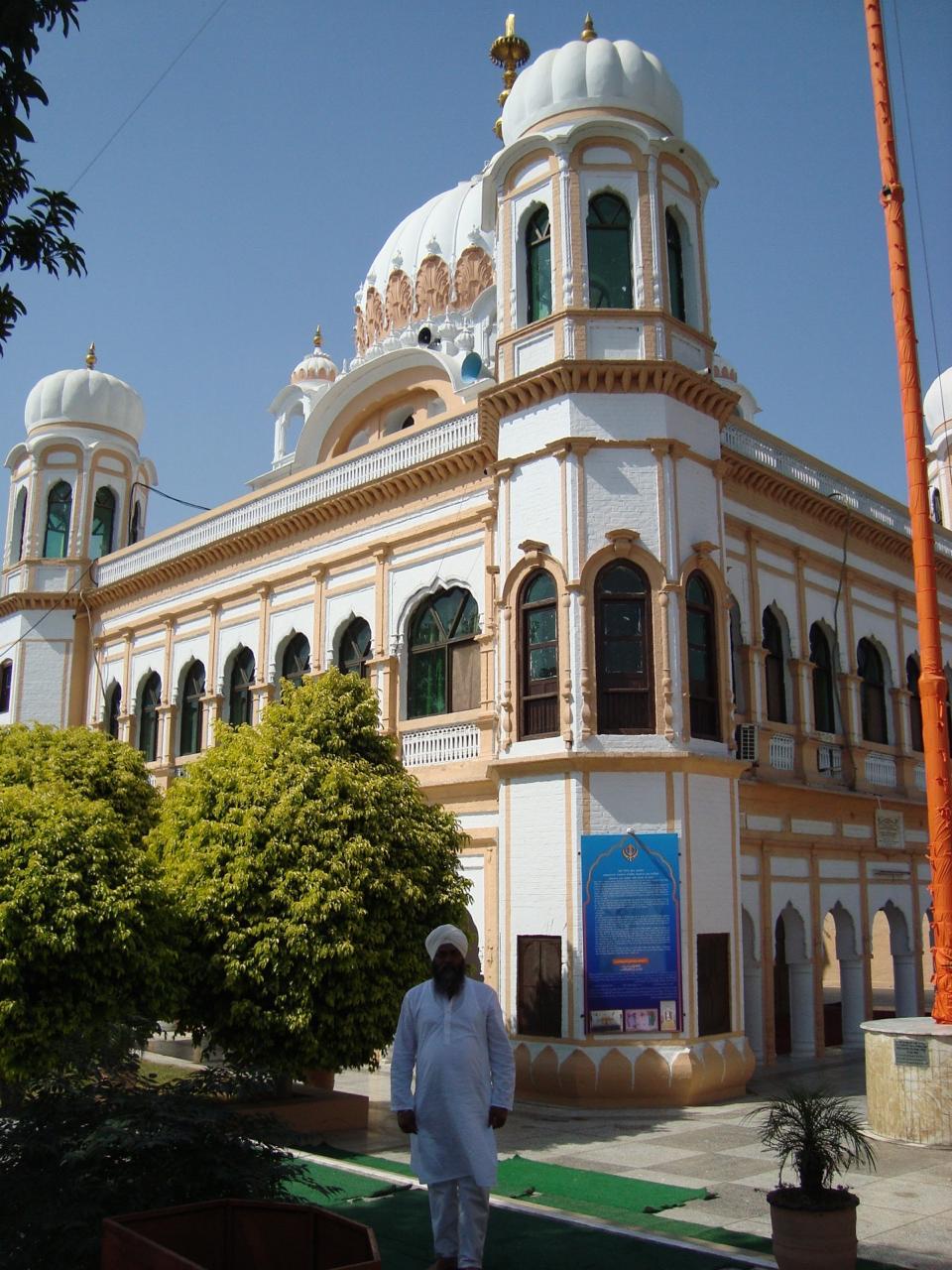
📍 Gurdwara Darbar Sahib Kartarpur
Kartarpur Sahib – From Tears to a Corridor of Peace
Kartarpur Sahib holds the highest spiritual importance in Sikh history, as it is the sacred land where Guru Nanak Dev Ji spent the longest period of his life. It was here that Guru Nanak Dev Ji lived as a farmer, served humanity, and established a way of life based on equality, seva, and unity. Kartarpur Sahib is not only a historical site but the very foundation of Sikh living, where the principles of Kirat Karni, Vand Chakna, and Naam Japna were practiced in their truest form. For Sikhs across the world, it remains a direct spiritual connection to Guru Nanak Dev Ji and is often regarded as one of the most sacred centers of faith.
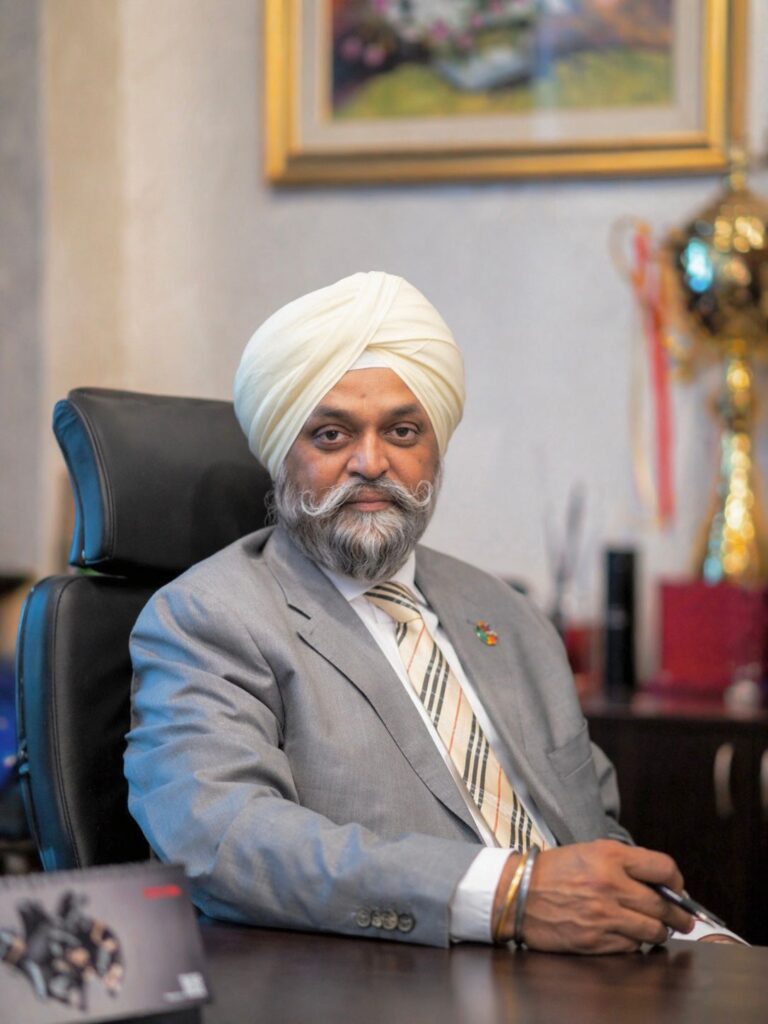
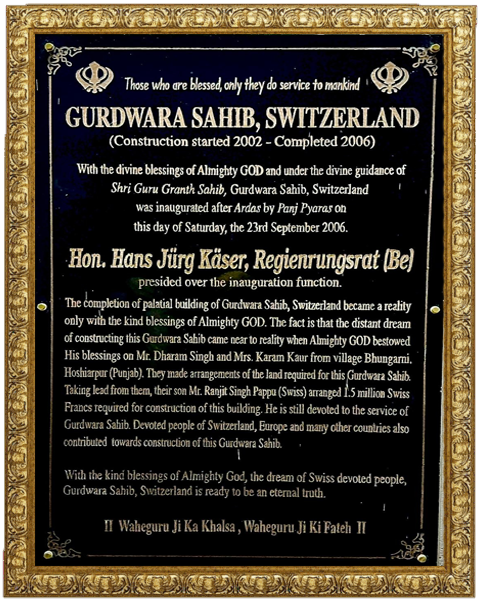
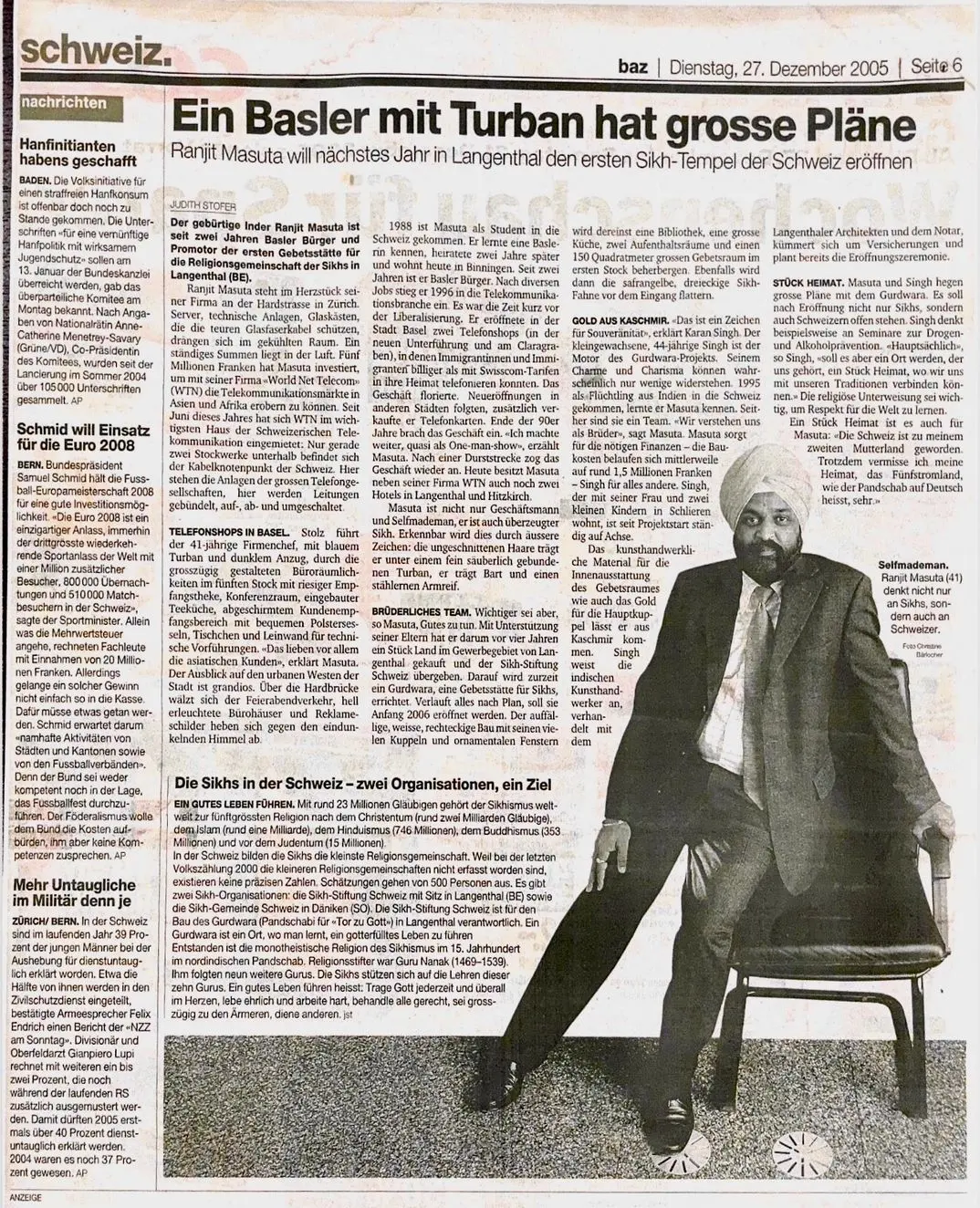
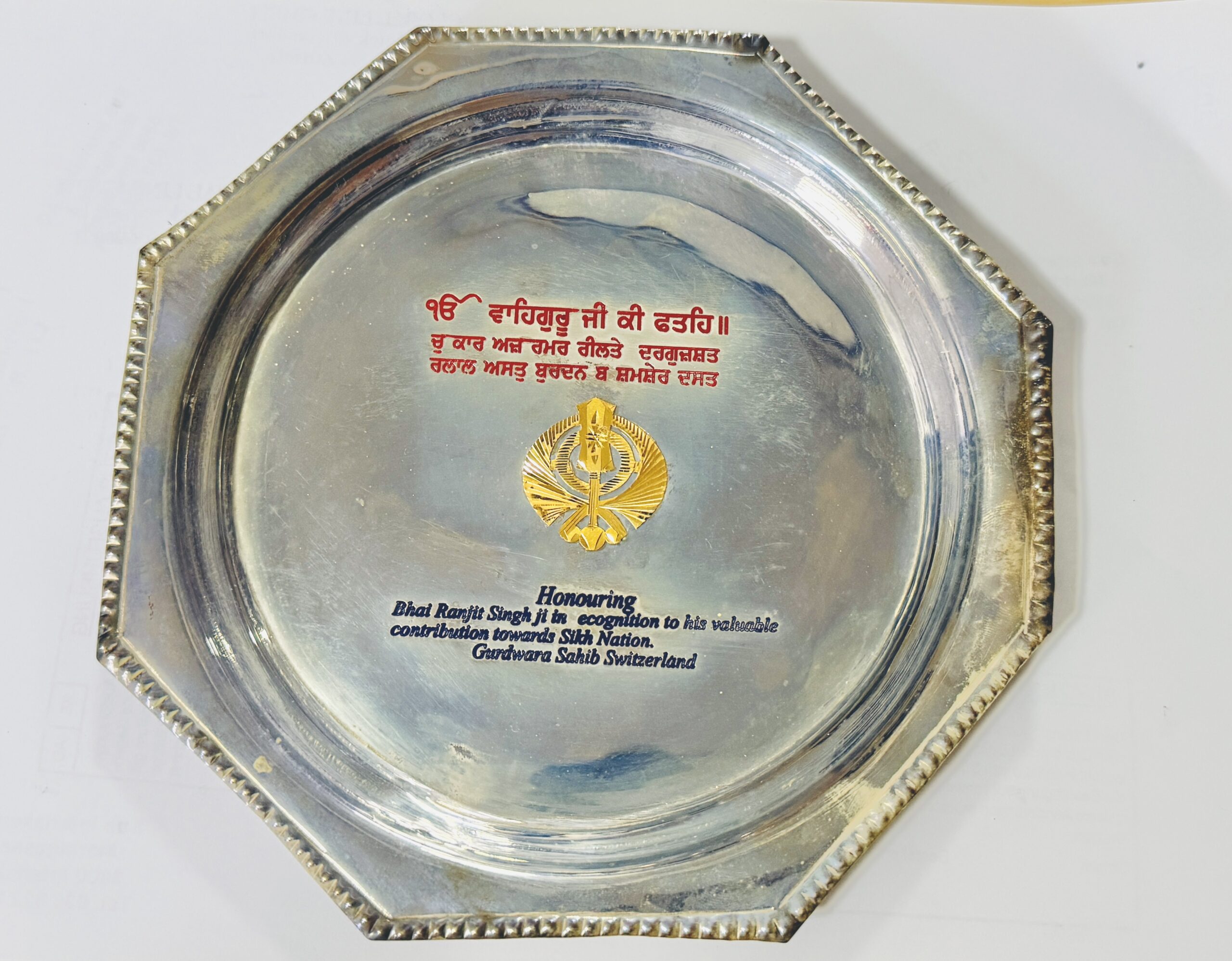
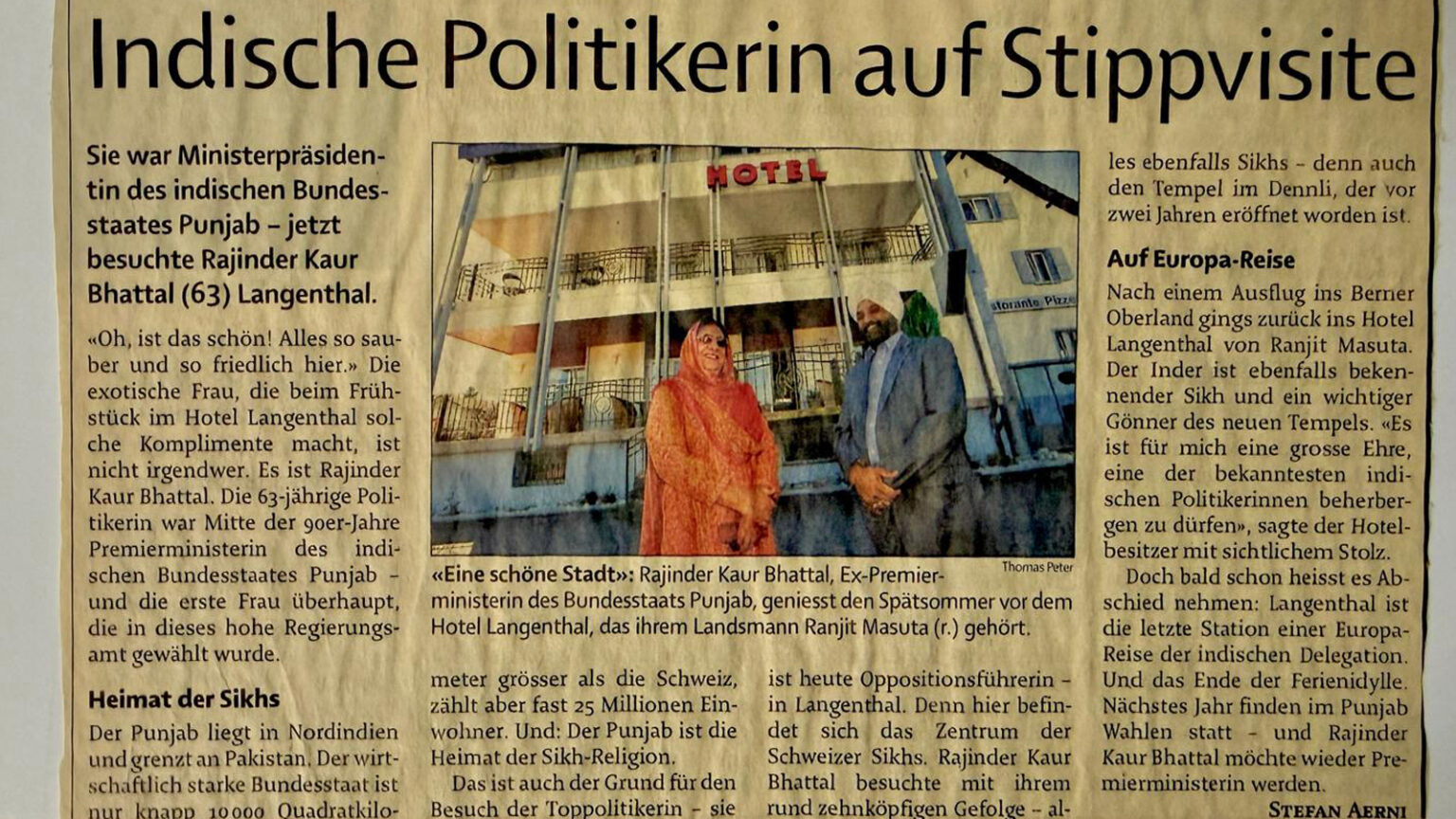
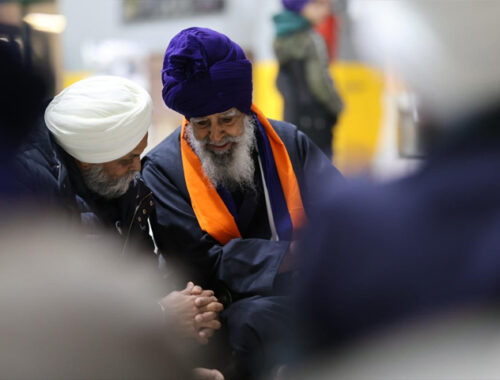
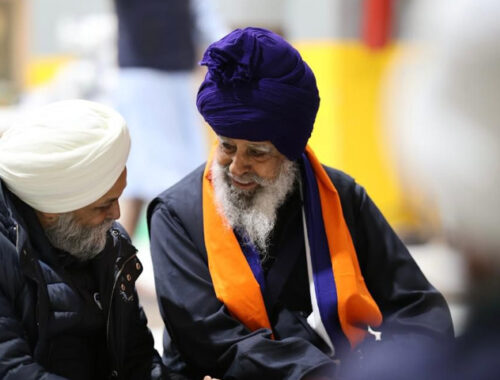
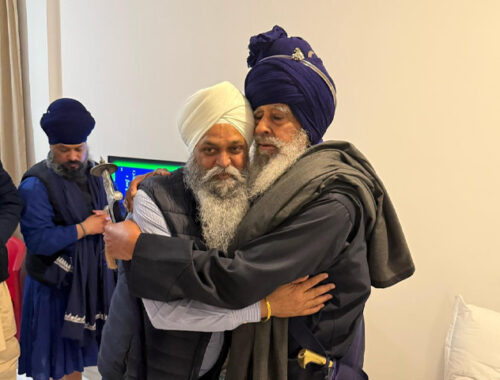
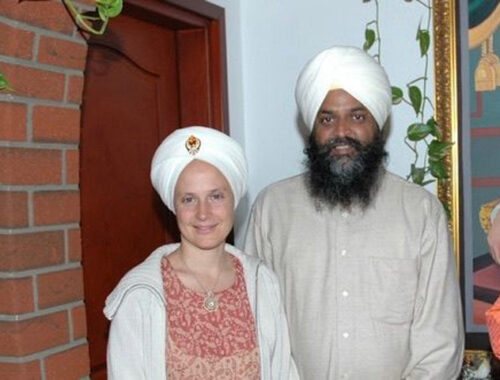
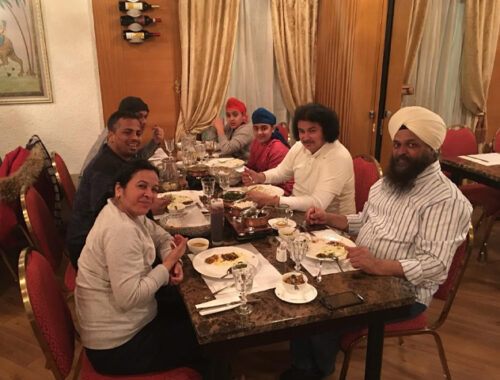
It is also understood as a great blessing that such seva was bestowed upon Bhai Ranjit Singh Masuta, whose connection with this sacred land became part of a larger journey that cannot be fully described in words, but only understood through its depth and impact.
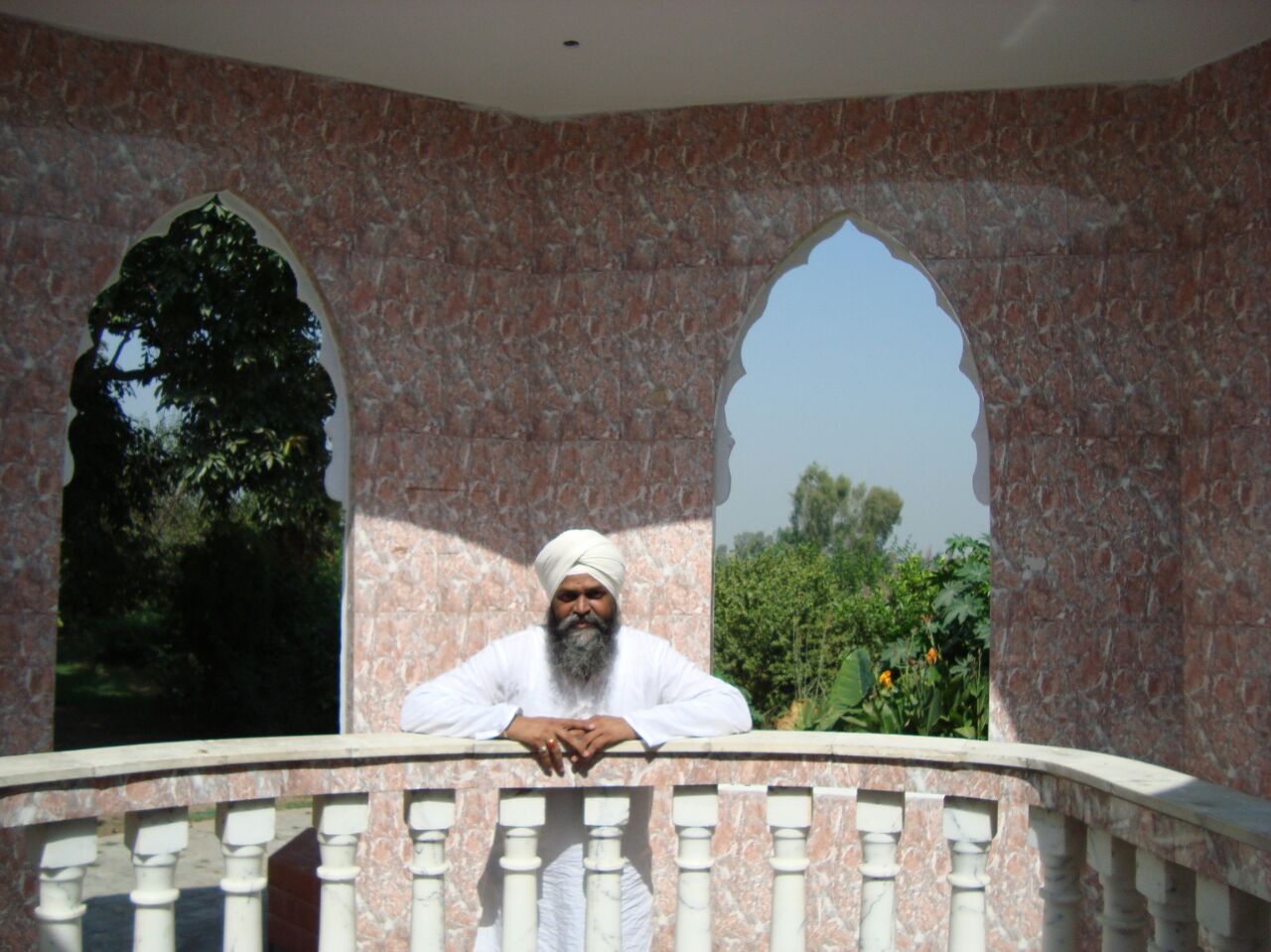
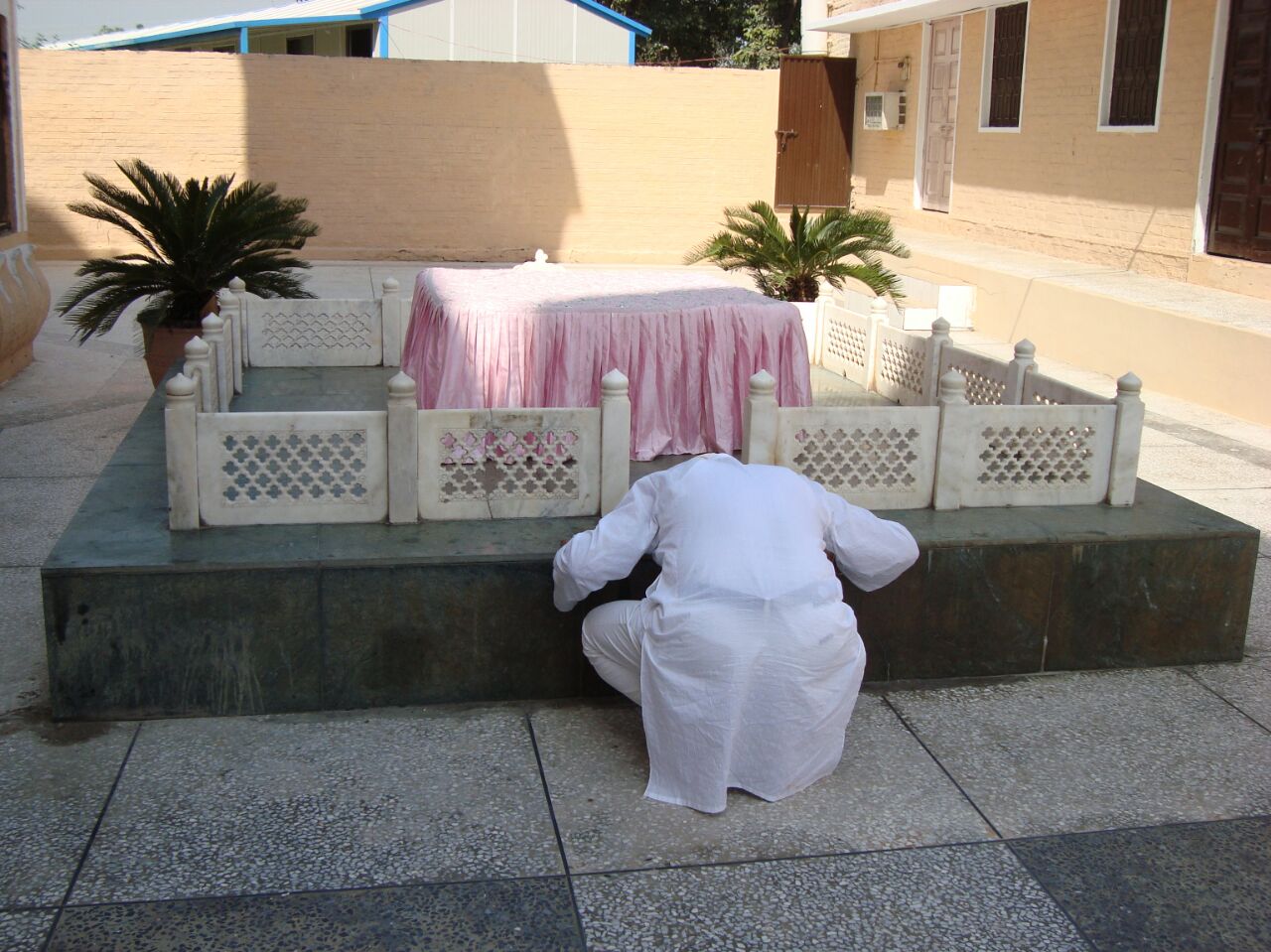
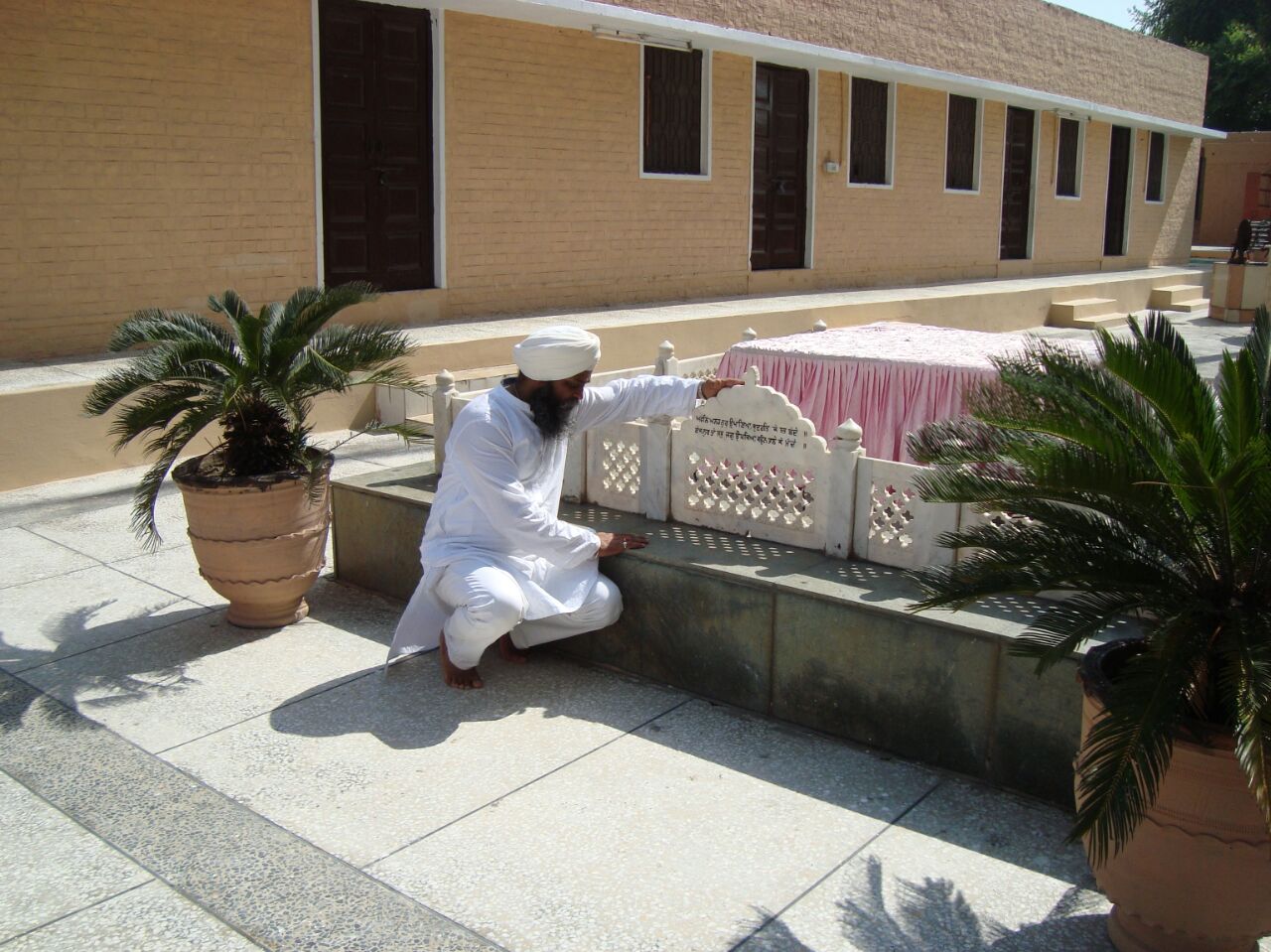
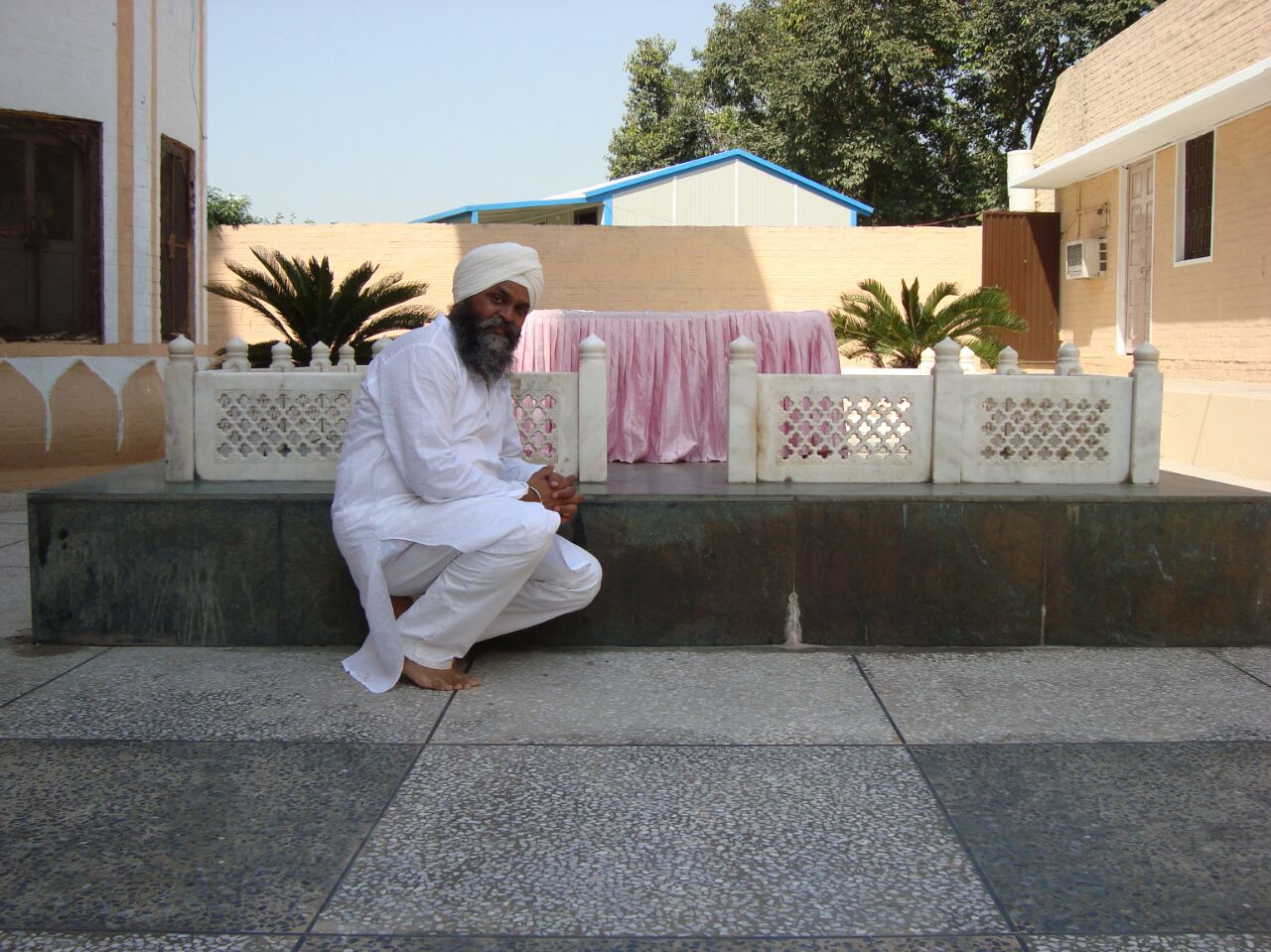
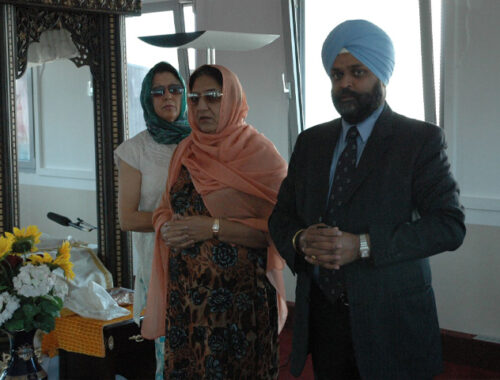
In the year 2000, Ranjit Singh Masuta stepped onto the sacred land of Gurdwara Darbar Sahib Kartarpur for the first time. That moment cannot be described in words. It was not just a visit, but a spiritual awakening. His heart was filled with peace, love, and a deep sense of connection, but within moments that peace turned into unbearable pain as he witnessed the condition of the sacred place.
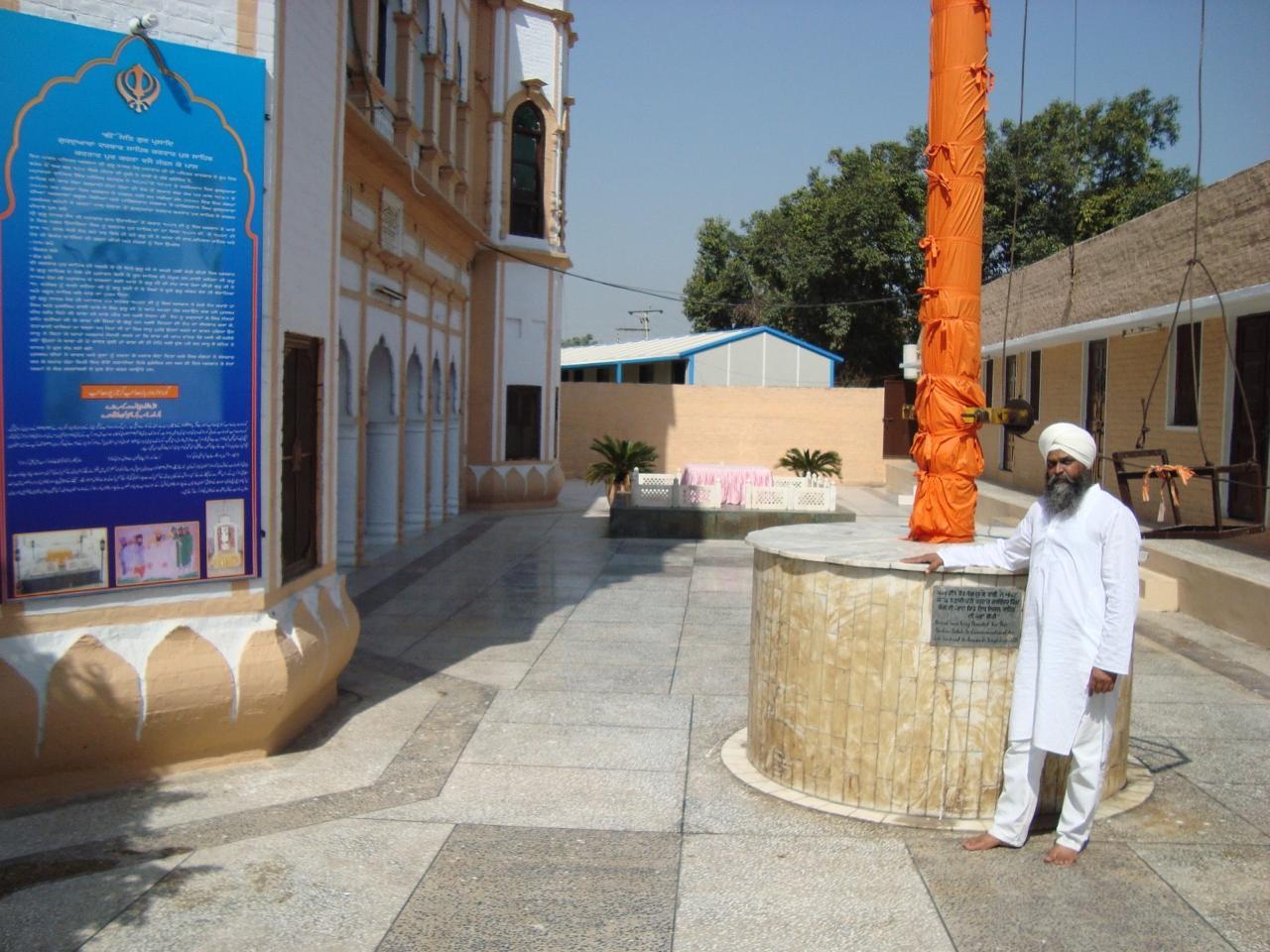
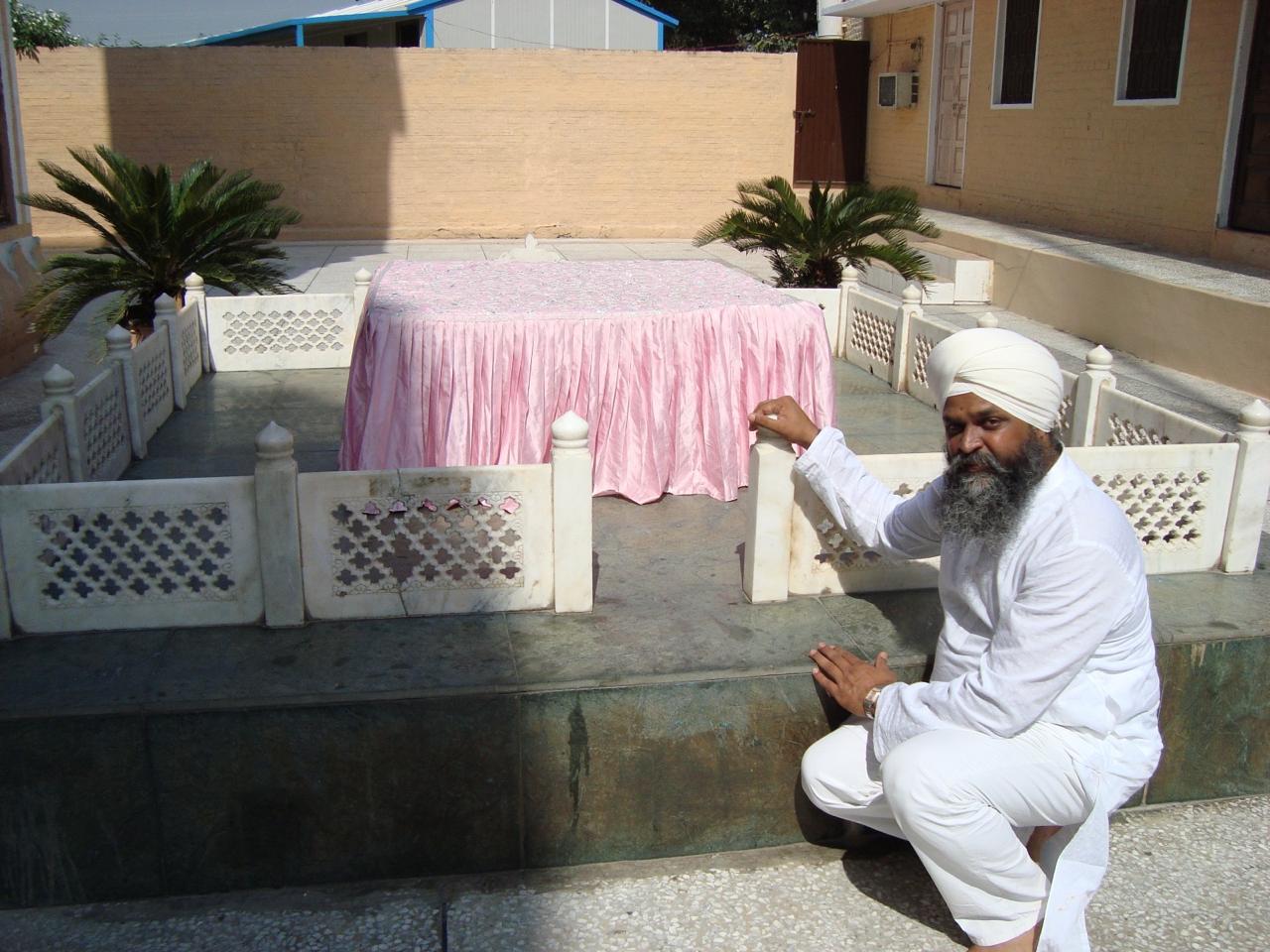
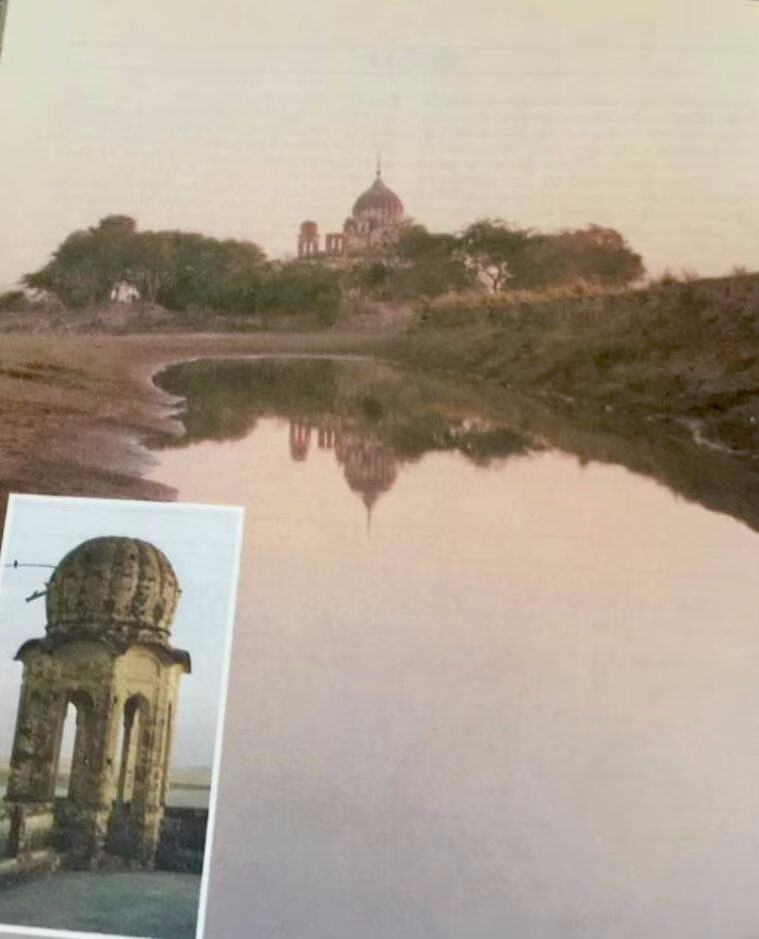
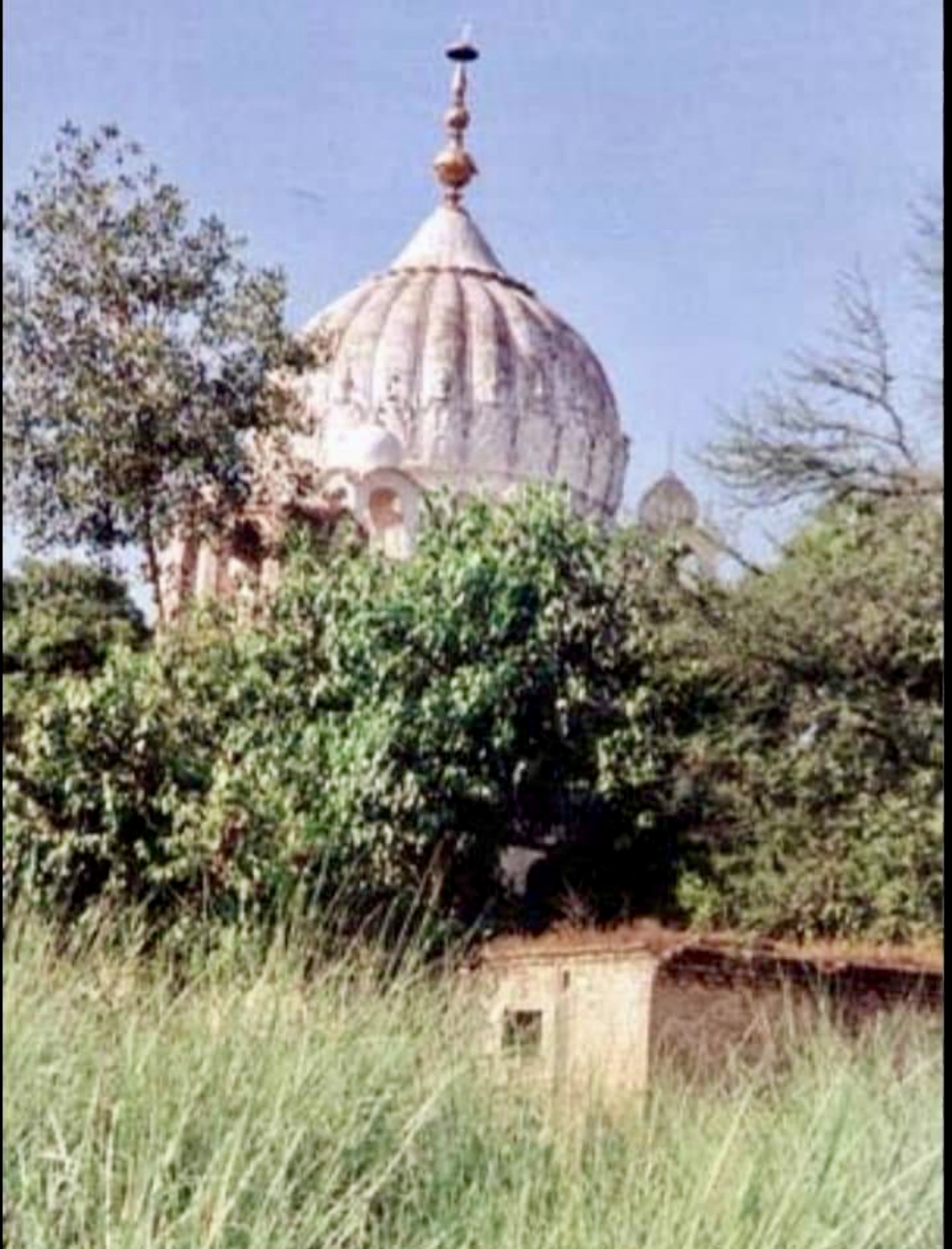
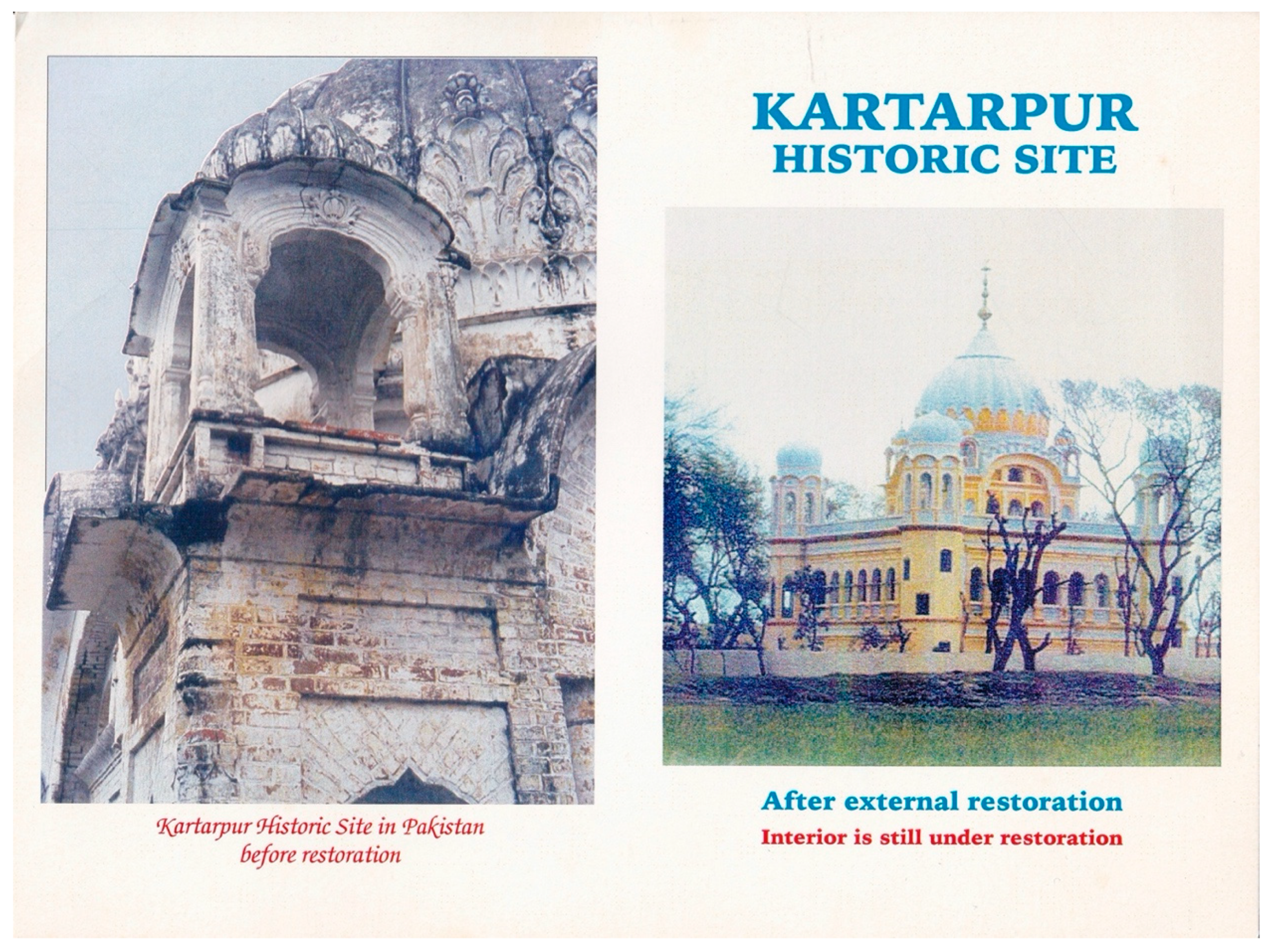
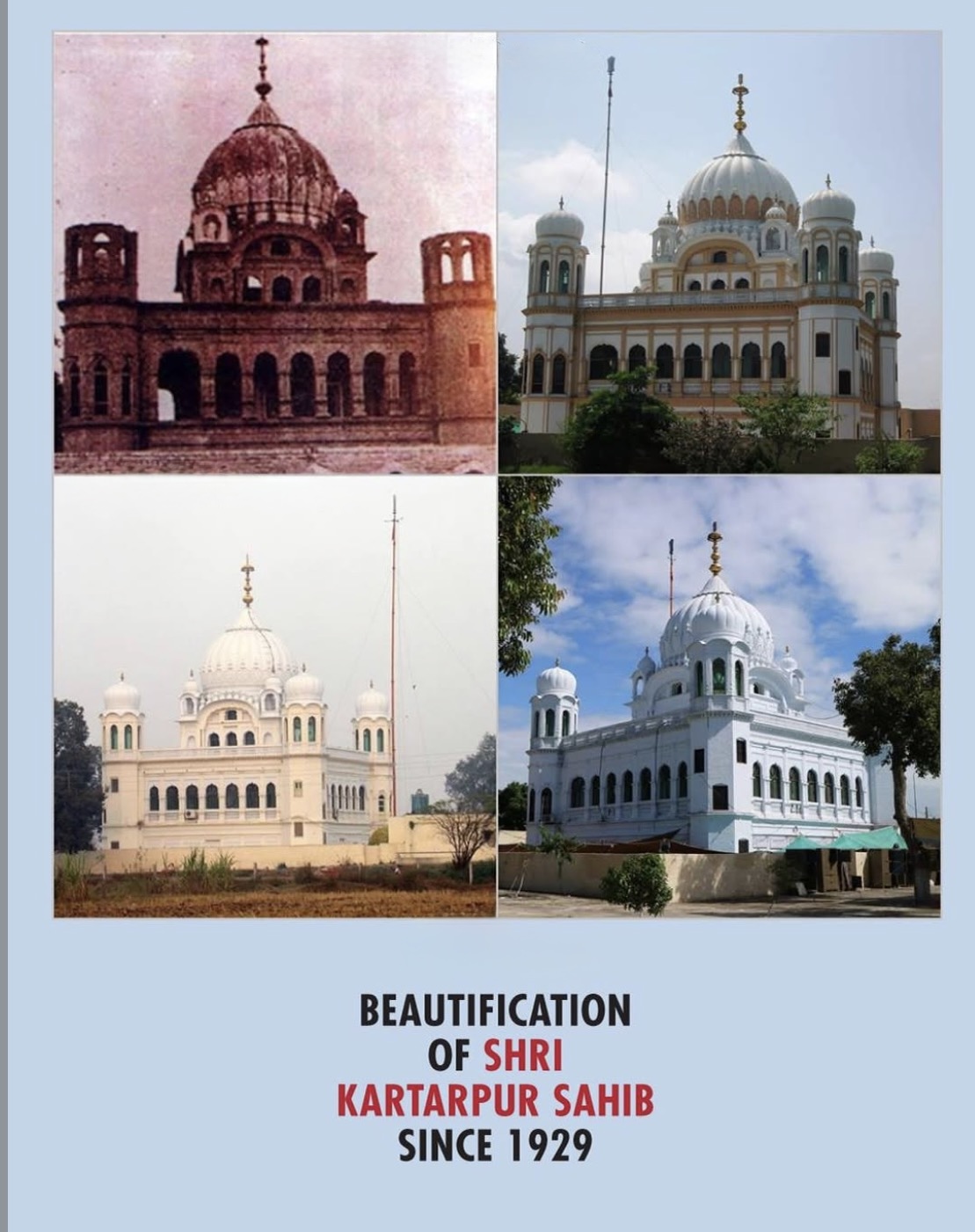
After the Partition of 1947, Kartarpur Sahib had been left behind, separated from a large part of the Sikh community. Over time, the site became closed, the buildings fell into deterioration, and the land surrounding it was left in neglect. The sacred space that once echoed with sangat, seva, and the presence of Guru Nanak Dev Ji stood in silence. Historical features of the land, including old wells, had gone beneath the soil and were no longer visible. The entire environment reflected abandonment rather than reverence.
Standing on that sacred soil, the reality of the situation deeply affected him. The question that arose was simple yet powerful — how could the home of Guru Nanak Dev Ji be left in such a condition. That moment became a turning point.
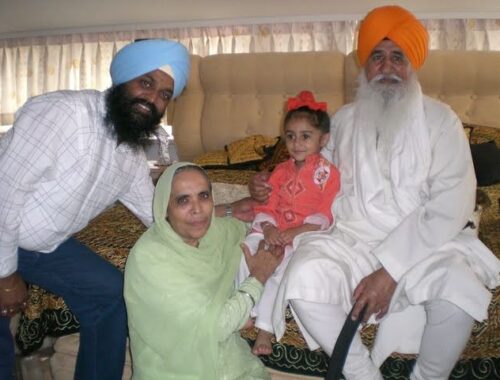
In that same moment, alongside his family, Bhai Sahib Veer Ji, Bhai Sham Singh Ji, and with the support of General Javed Nasser, a heartfelt Ardaas was performed. It was not planned or formal, but came from within. That Ardaas marked the beginning of a journey. A journey that was not based on words, but on commitment, faith, and sustained effort.
With Waheguru’s Kirpa, the first steps were taken. Land around Kartarpur Sahib was gradually secured, not for profit or personal gain, but as part of a larger effort of preservation and seva. Step by step, year by year, this effort continued with consistency and determination, eventually reaching nearly 105 acres of land. This was not a project or a business initiative, but a long-term commitment rooted in faith and responsibility.
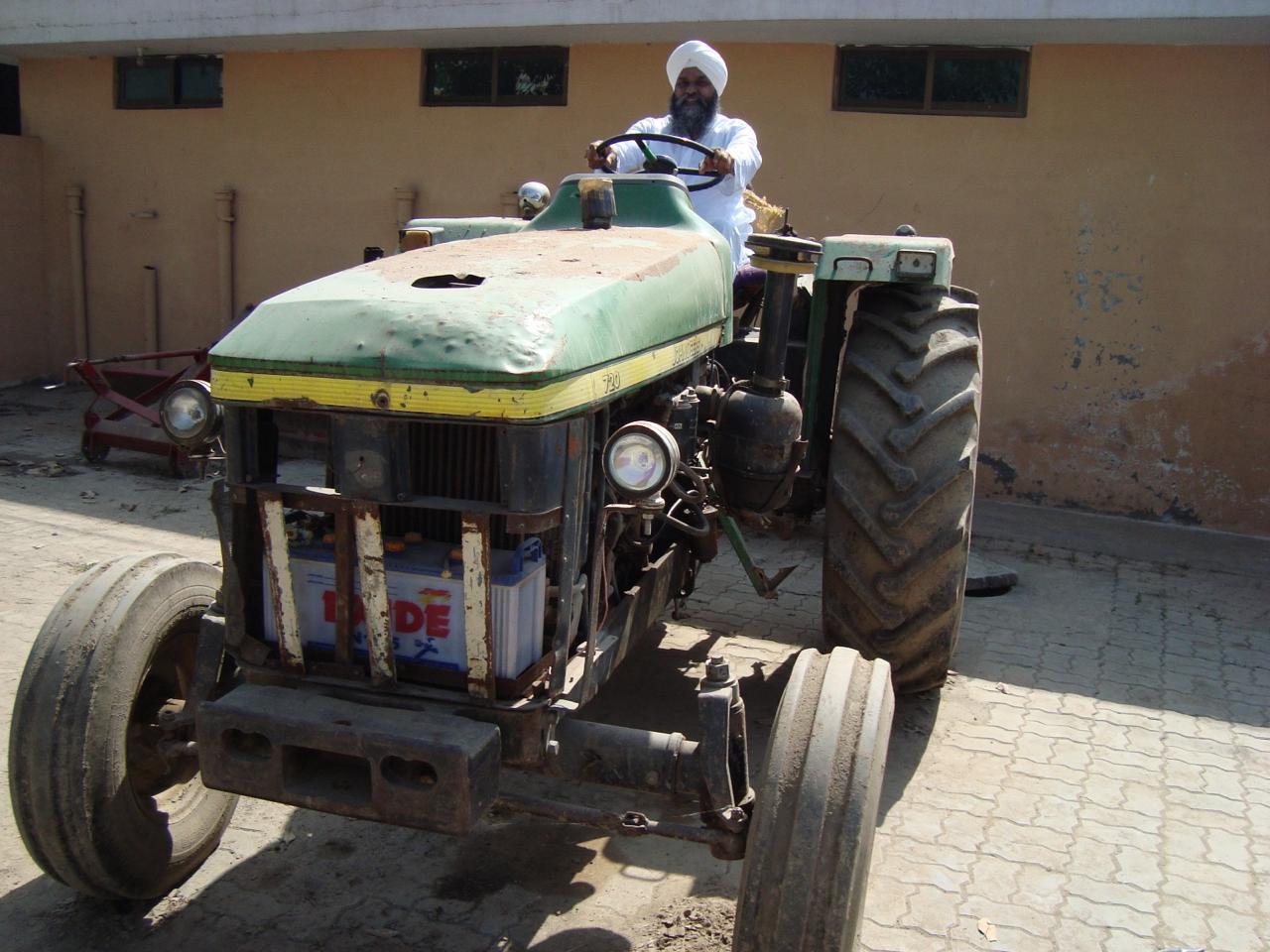
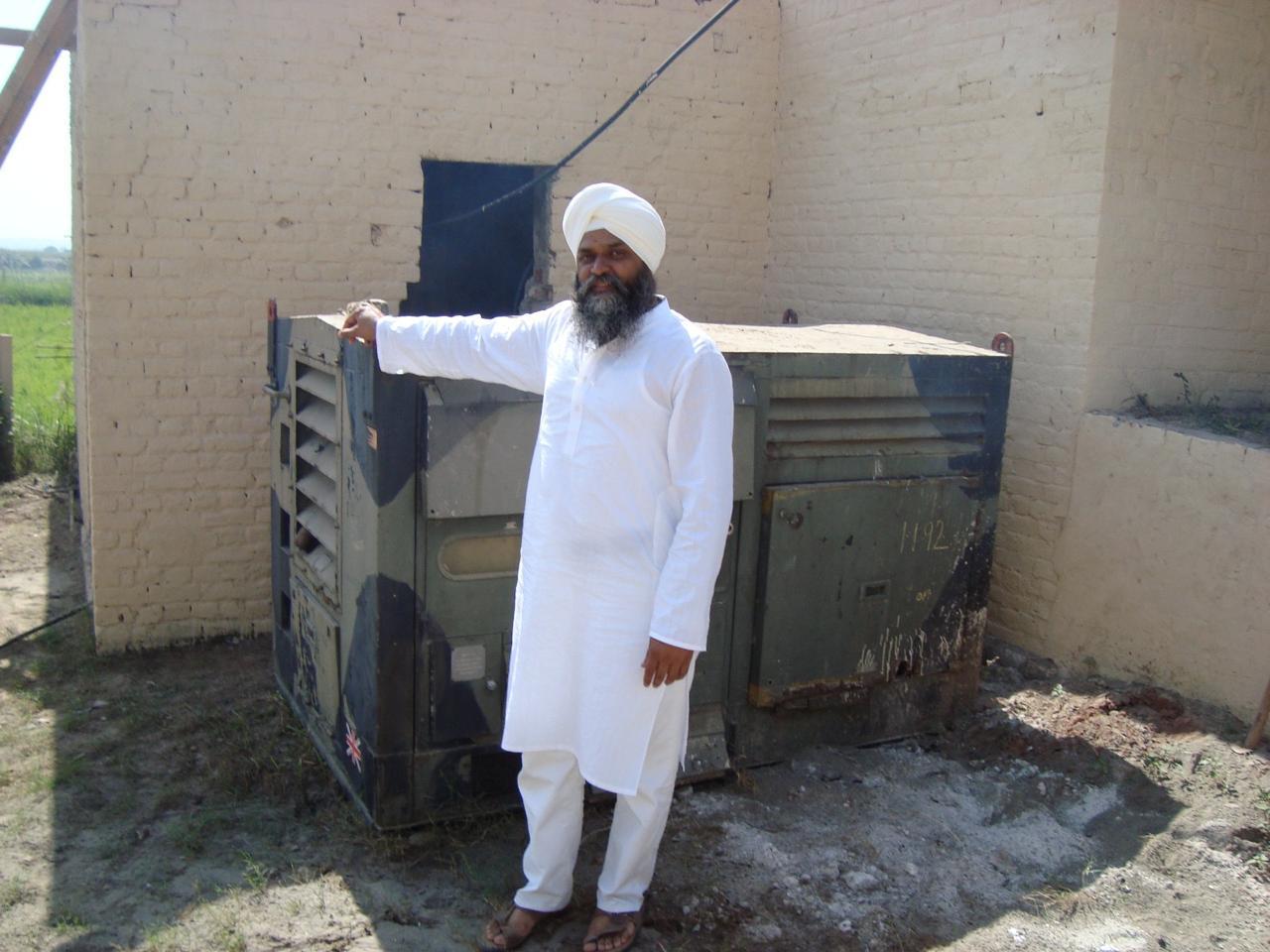
The seva was carried out in a practical and meaningful way. Farming began on the land, following the same path that Guru Nanak Dev Ji himself had practiced during his time at Kartarpur. The fields were cultivated, tractors were brought in, and agricultural activity was re-established. Cattle were nurtured, and the land once again became active and productive.
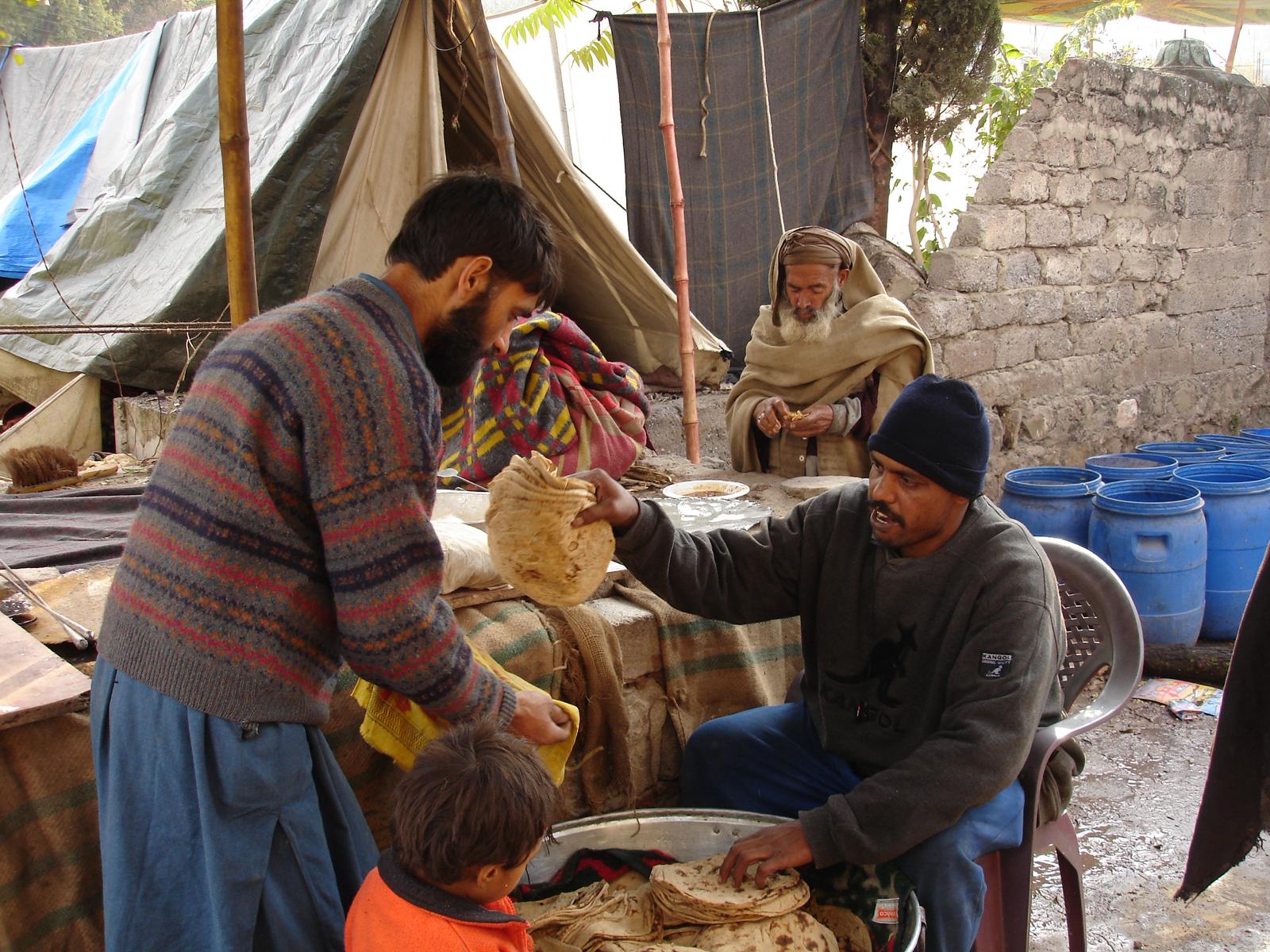
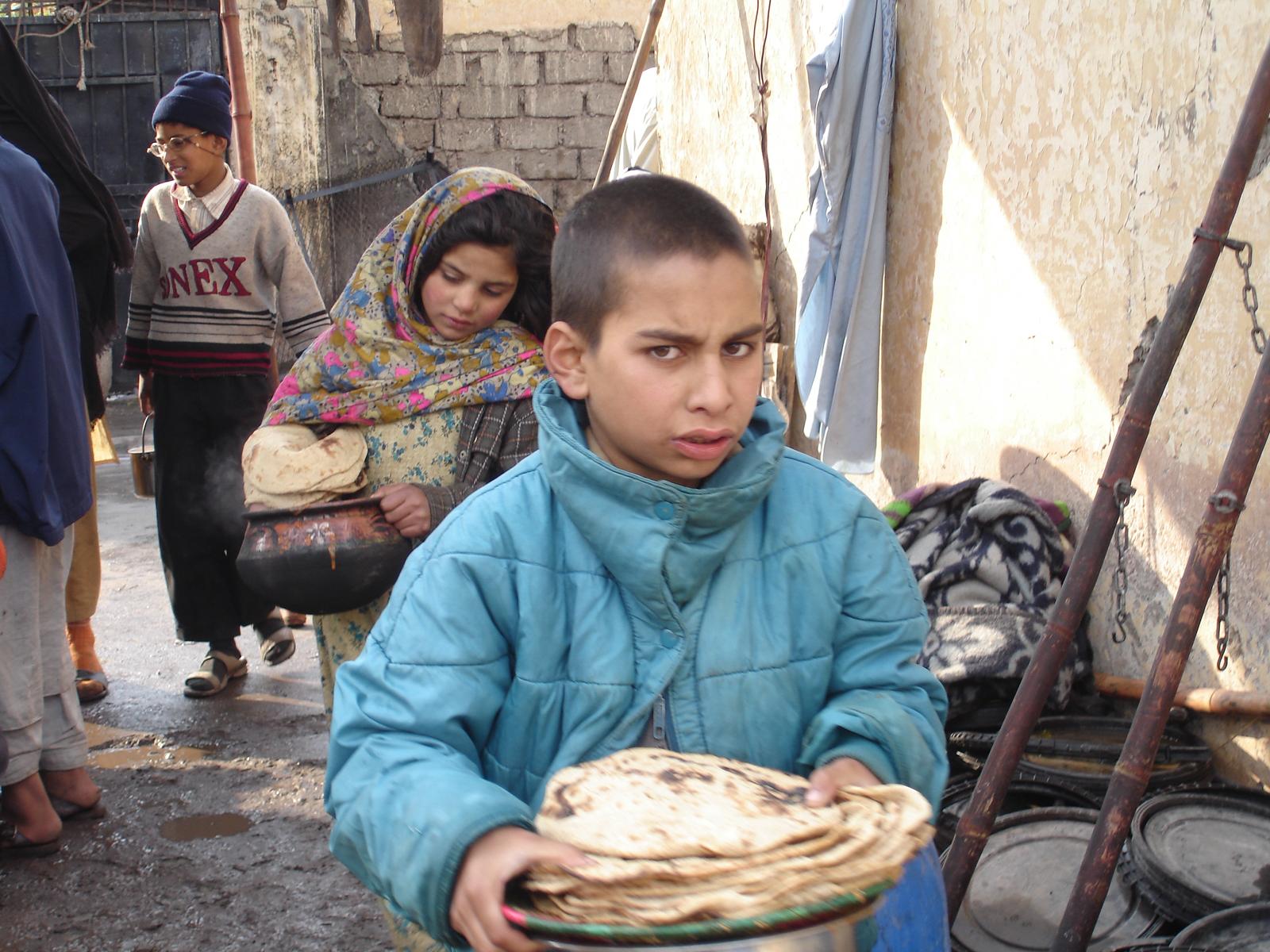
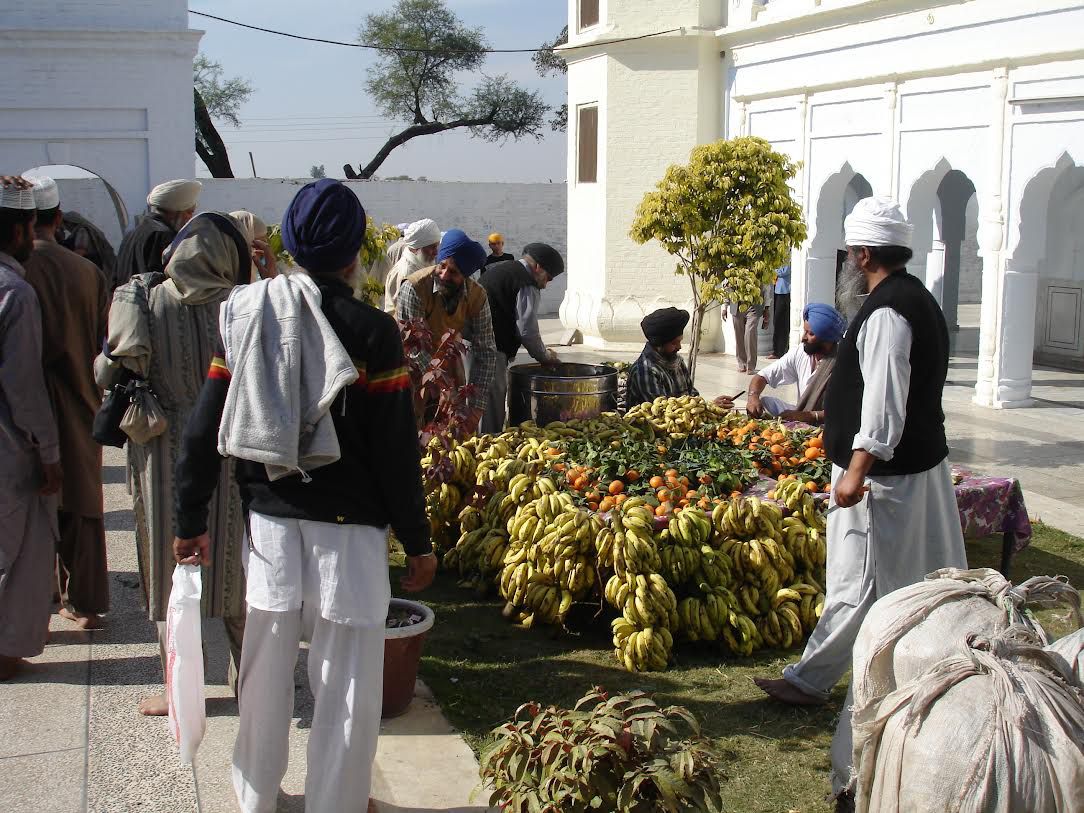
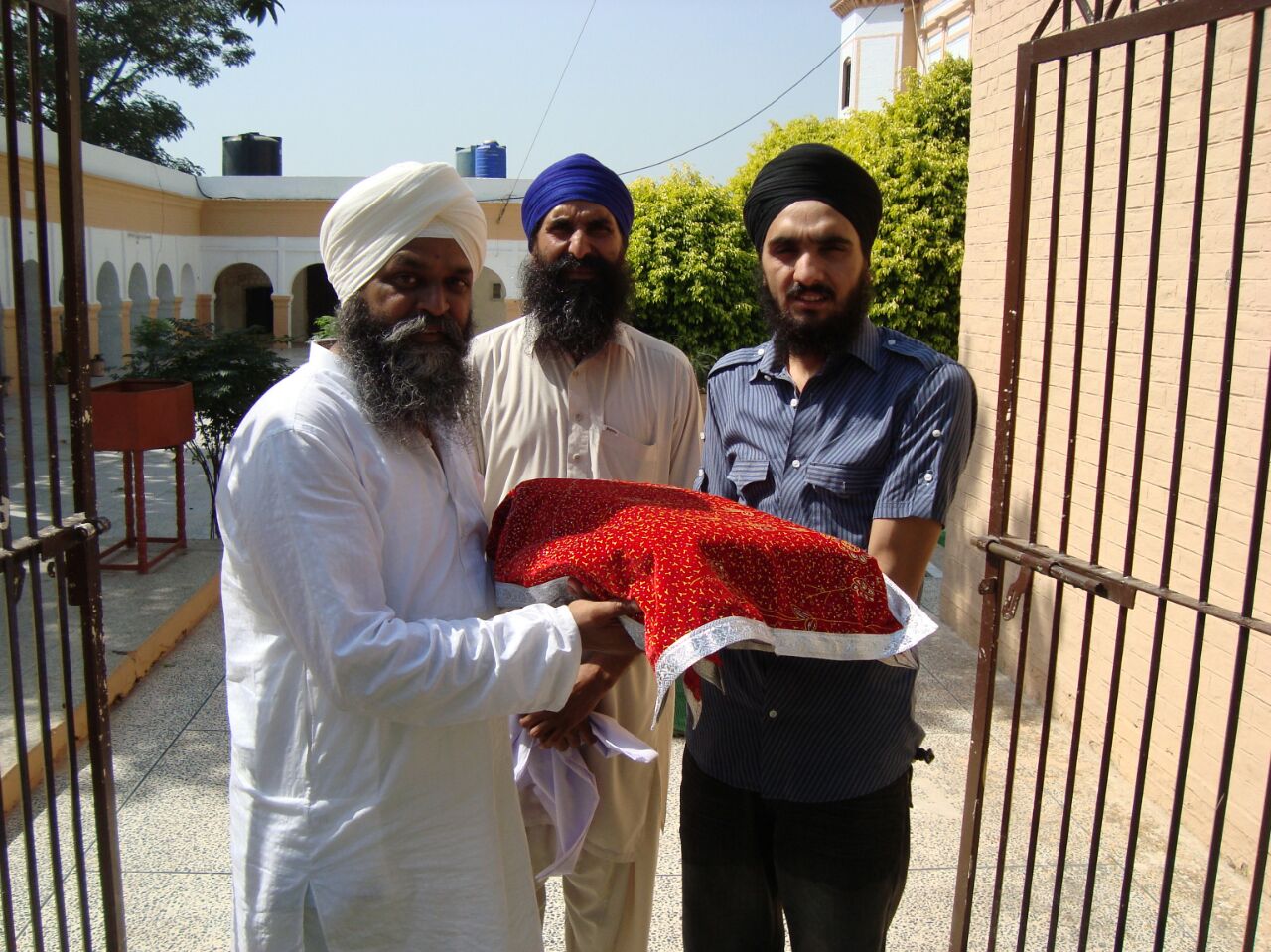
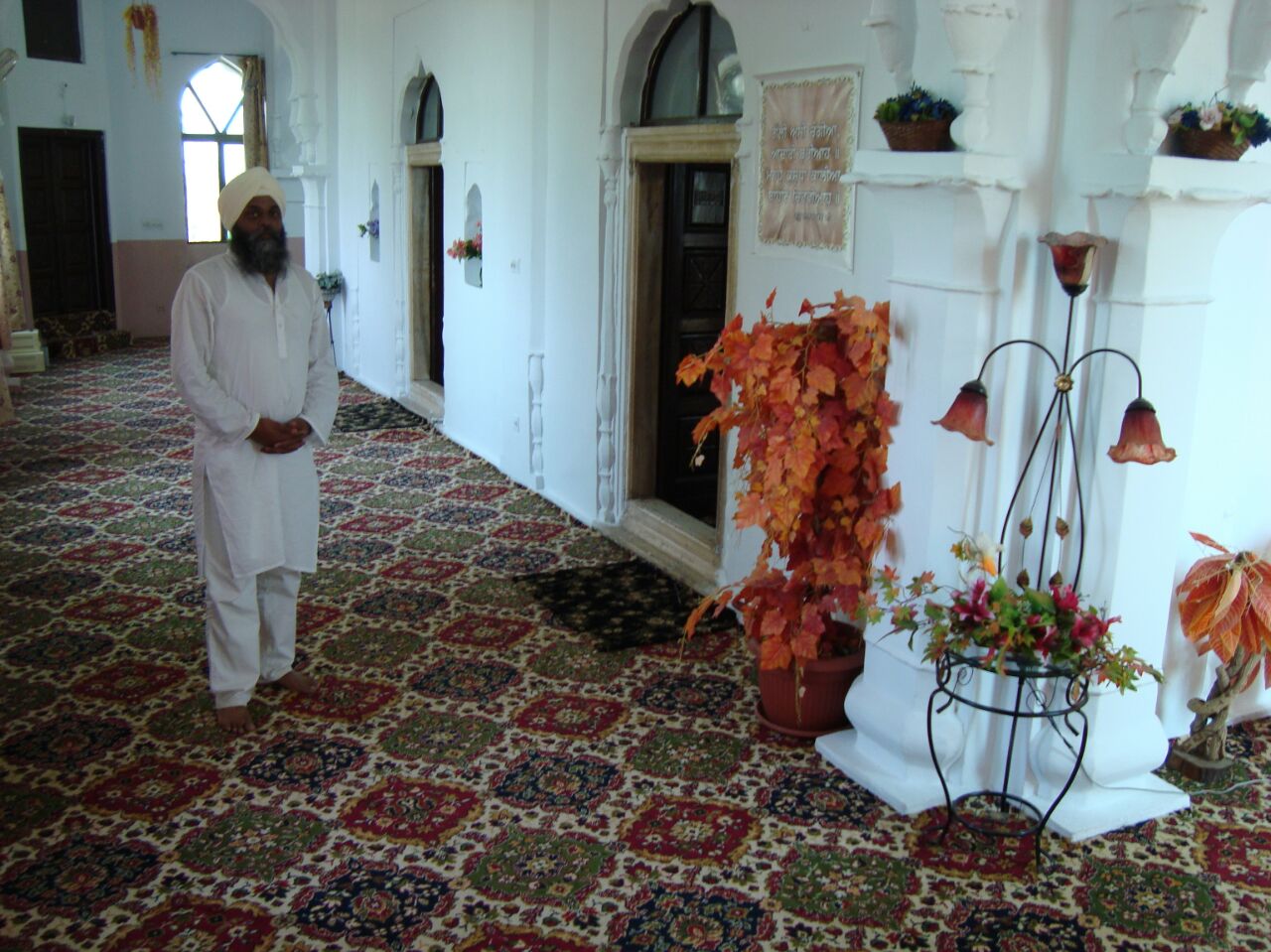
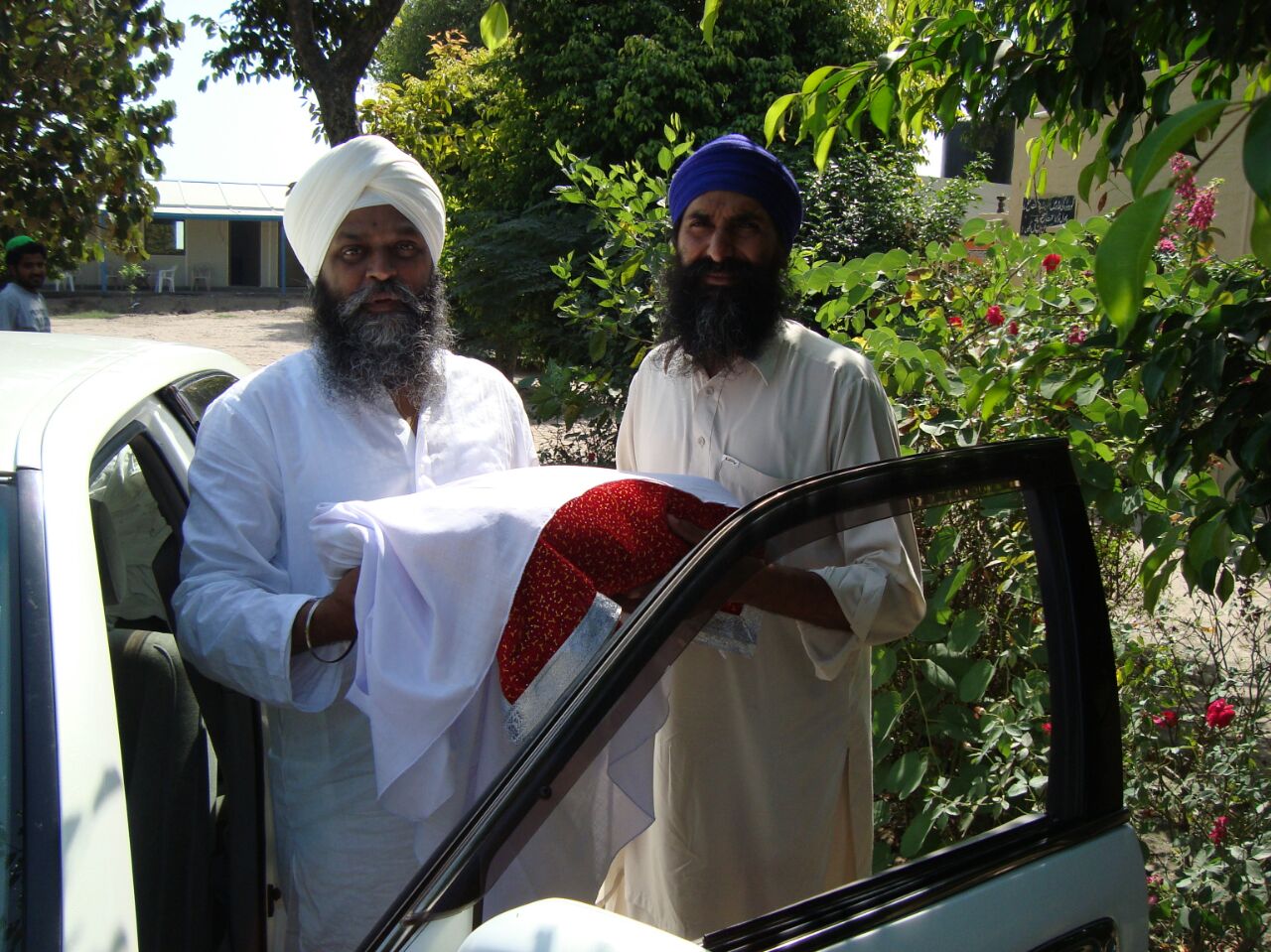
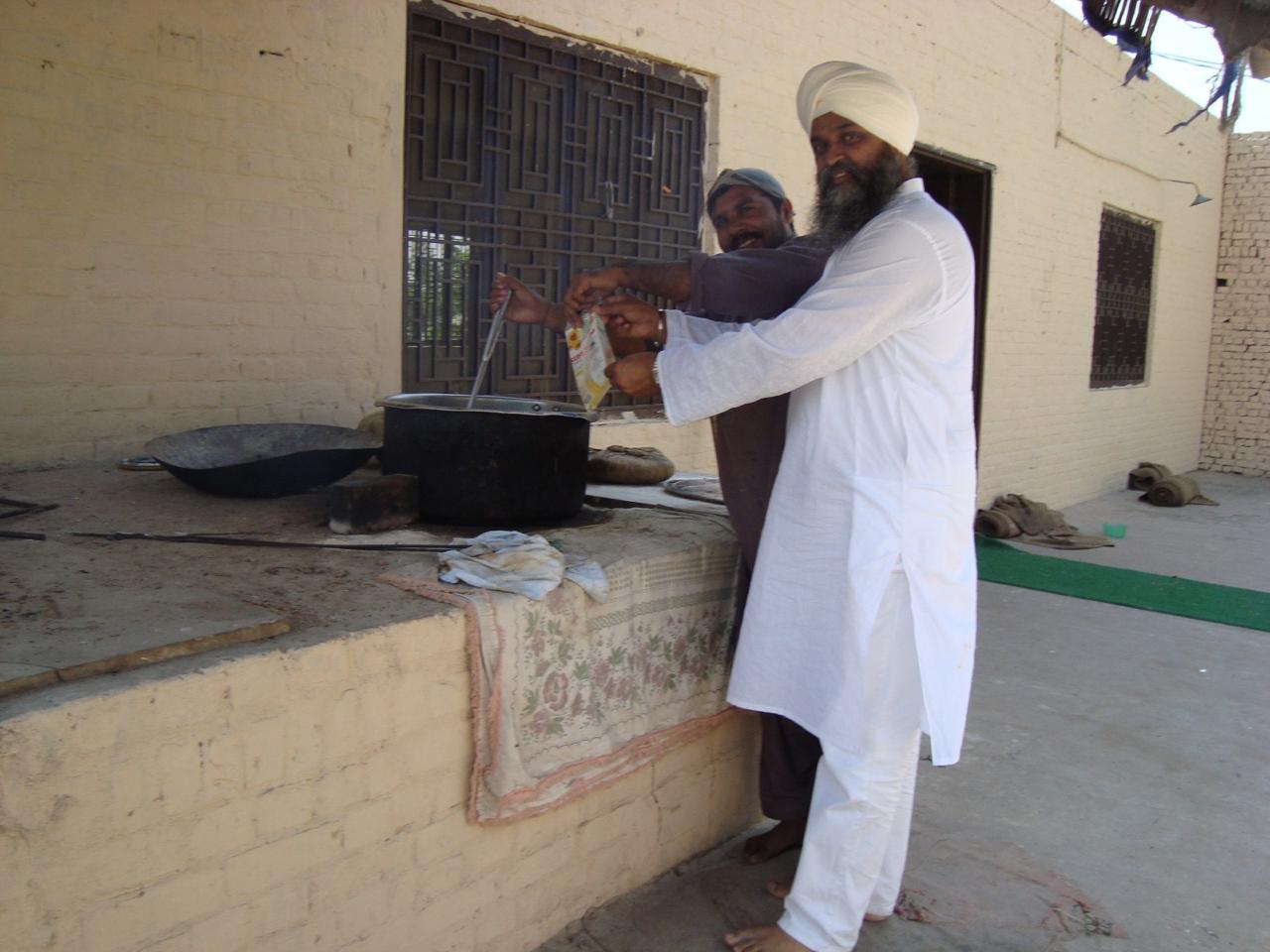
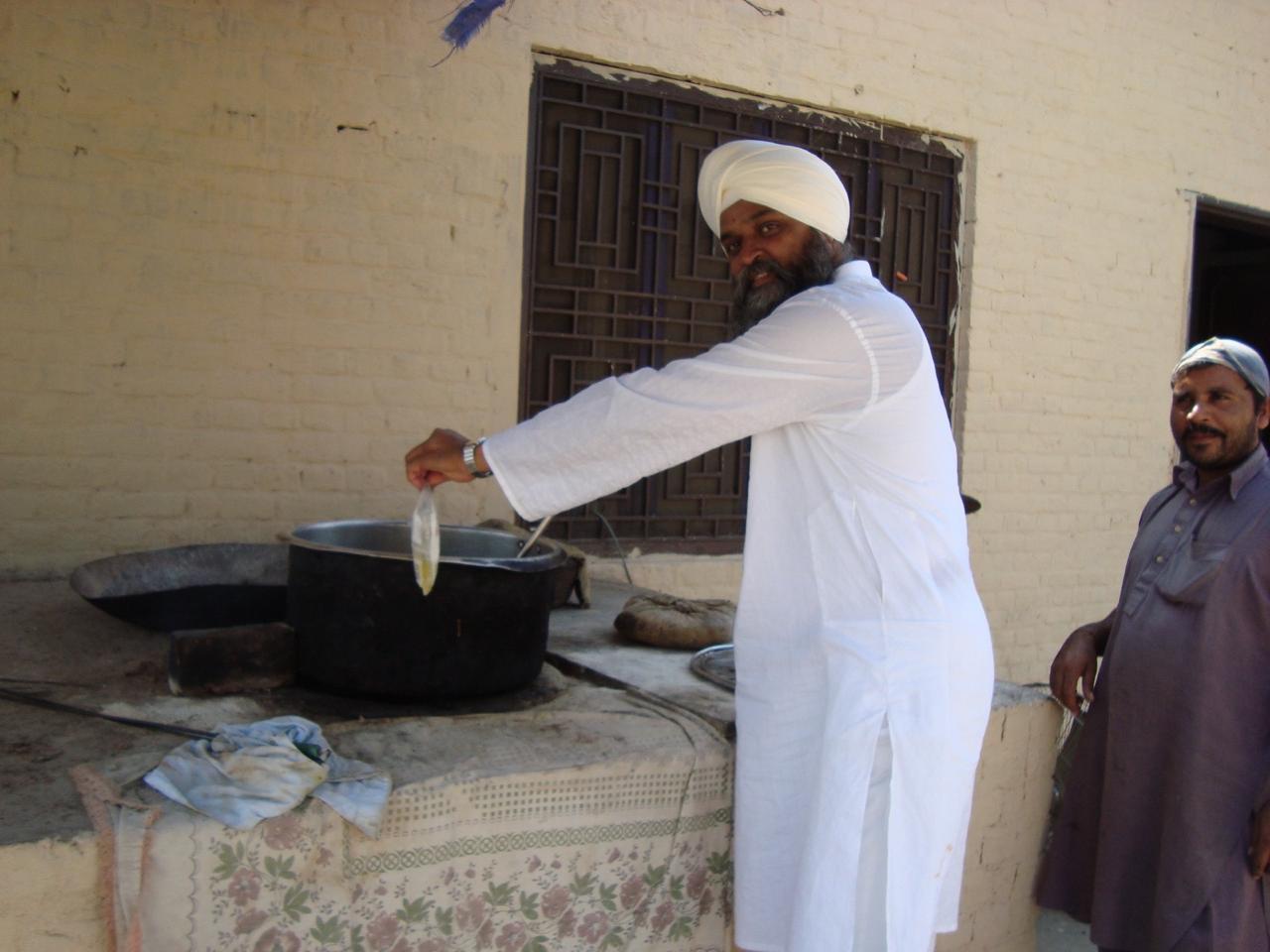
Alongside this, religious practices were restored and maintained. Langar was started and served for all without discrimination, reflecting the true spirit of Sikh tradition. Daily Parkash of Sri Guru Granth Sahib Ji was established, and a permanent Granthi Singh was appointed to ensure continuity of maryada. The space that had once stood silent gradually returned to a state of discipline, devotion, and activity. Kartarpur Sahib began to live again.
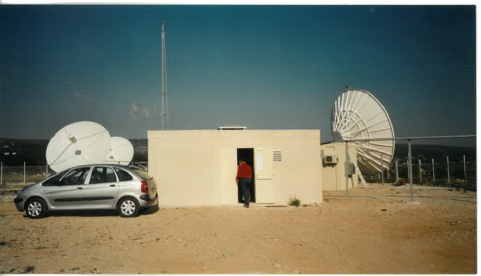
Situated near one of the most sensitive borders in the world, between India and Pakistan, the region required patience, understanding, and a respectful approach. In the early stages, the presence of the Pakistan Army in the surrounding area was a reality. Through humility and respectful communication, space was created for the seva to continue peacefully. The process remained free from conflict, focused entirely on preservation and service.
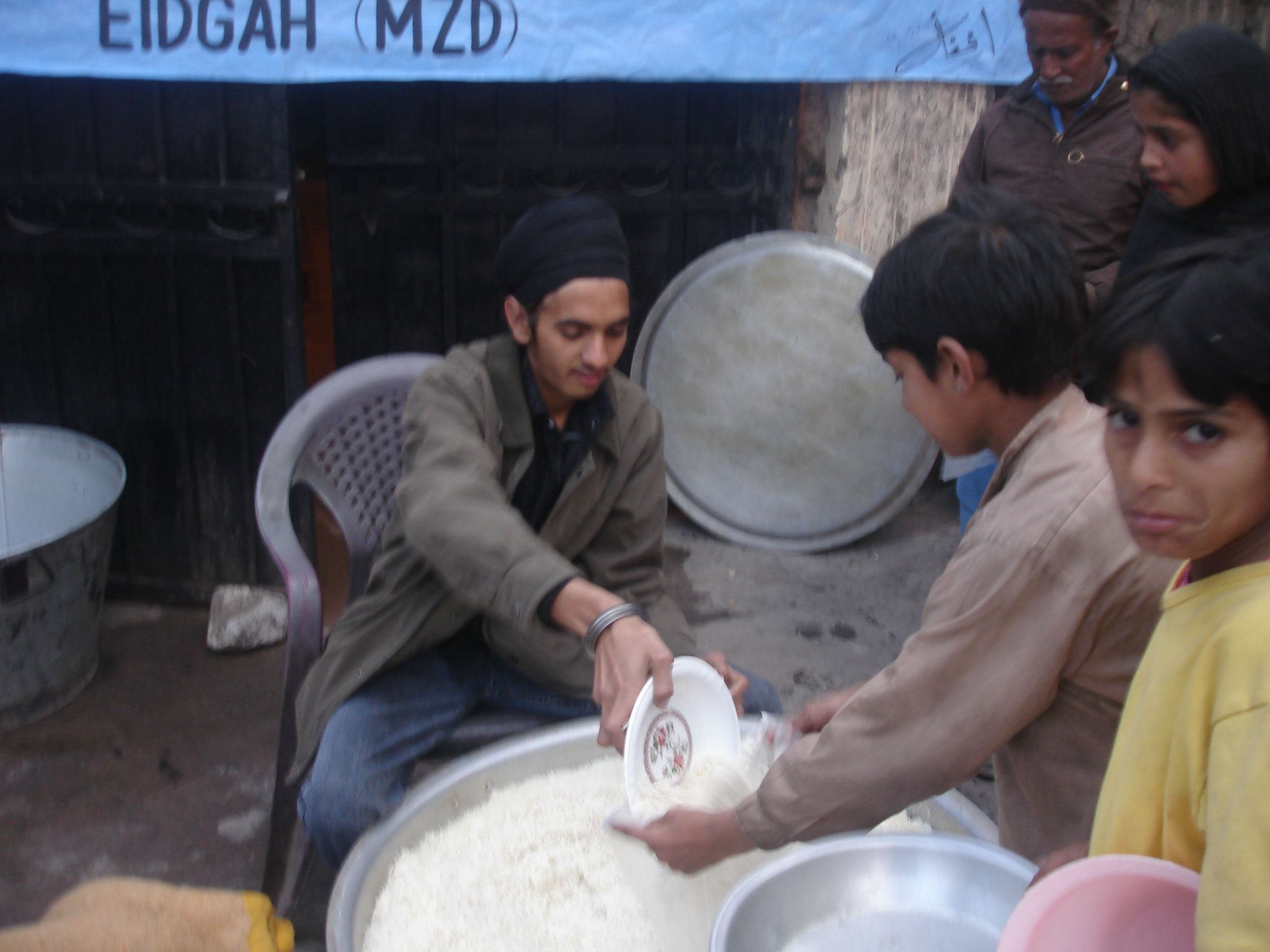
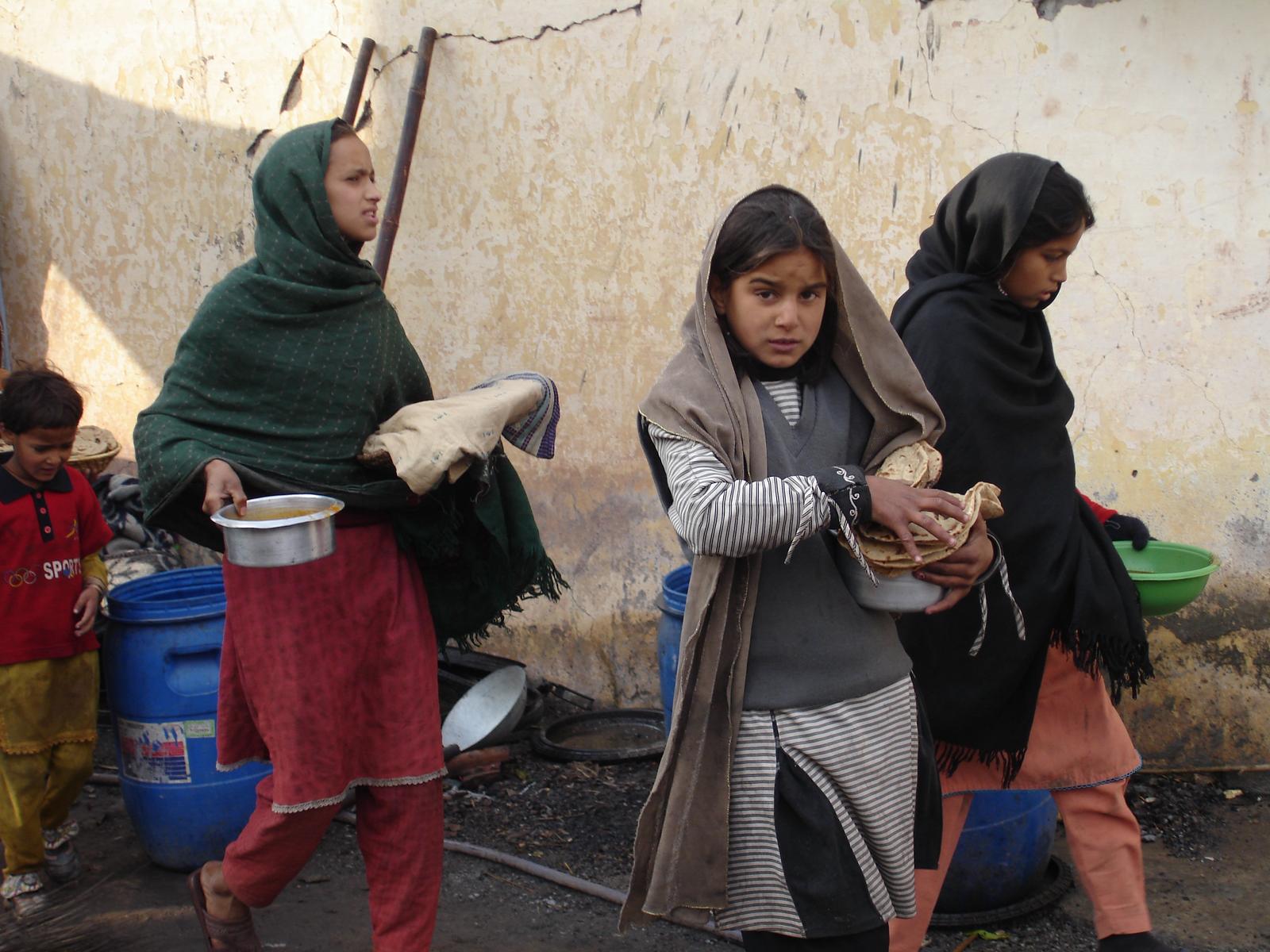
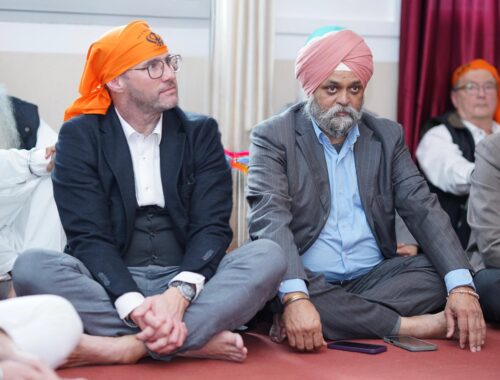
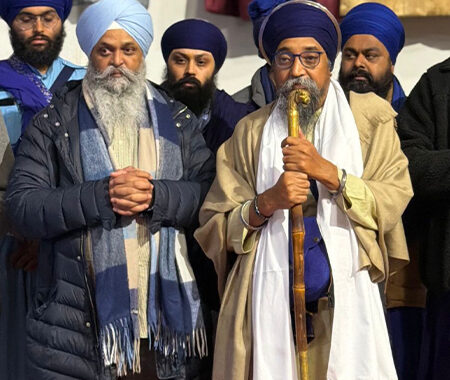
Over time, something significant began to take shape. People started to come. Not only Sikhs, but individuals from different backgrounds, including Muslims, Hindus, and others. They came with respect, they stood together, they prayed together, and they shared Langar together. The environment reflected unity rather than division, and the message of Guru Nanak Dev Ji — humanity above all — became visible in practice.
What began in the year 2000 as a deeply emotional moment and a simple Ardaas developed into a long journey of faith, struggle, seva, and belief. Over the years, Kartarpur Sahib gradually regained attention and importance, eventually leading to the creation of the Kartarpur Corridor.
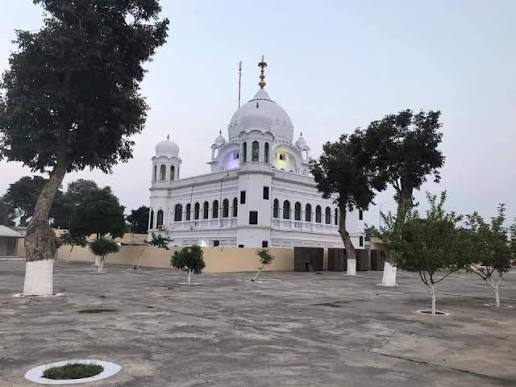
Today, the Kartarpur Corridor stands as a historic reality, allowing thousands of devotees to visit daily and millions annually from across the world. It is not only a physical passage, but a connection between people, faith, and shared heritage. It represents access, continuity, and the revival of a sacred link that had remained separated for decades.
Kartarpur Sahib today stands not only as a place of history, but as a living example of faith in action. It reflects how dedication, seva, and sustained effort can contribute to preserving heritage and reconnecting generations with their spiritual roots.
There are certain contributions that cannot be fully expressed in words. They are not defined by recognition or visibility, but by the impact they leave behind. The seva connected with Kartarpur Sahib stands in that space — beyond description, yet deeply understood.
Kartarpur Sahib remains a place of peace, unity, and spiritual continuity, carrying forward the timeless message of Guru Nanak Dev Ji for generations to come.